• NEWS
  • ABOUT
    • PHILOSOPHY
    • BIOGRAPHY
    • Sale – How to get a photograph
    • Links
  • EXHIBITIONS
    • Solo Exhibitions
      • NEPAL – Transition einer mysthifizierten Kultur – Photoausstellung im Theaterhaus Stuttgart
        • Ein ungewöhnlicher Blick auf Nepal
        • Vernissage July 21 – Exhibition ‚NEPAL‘ Theaterhaus Stuttgart
          • Die Tigerin von Tukucha
        • Photos of the hanging of the exhibition
        • The Exhibited Photographs
          • I. Landscapes and Animals
          • II. Religion & Rituals
          • III. Streetscenes
          • IV. Civil War
          • V. Architecture & Heritage – Doors, Ancient Locks (Bothe Talsa) & Windows
        • Finissage Sunday, September 29, 2019
      • Austria, Leoben – „Nepal“ in the Townhall
        • I. Landscapes and animals
        • II. Heritages and architecture
        • III. Religious rites
        • IV. Streetscenes and scenes of the civil war
        • V. Inauguration Exhibition „Nepal“ in Leoben Austria
      • Theaterhaus, Germany 2015 – Greece – Quo Vadis?
      • Tollhaus, Germany 2014 – Photographs from Kashmir, Nepal & Tibet
        • Tollhaus 2014 Kashmir pics
        • Tollhaus 2014 Nepal pics
        • Tollhaus 2014 Tibet pics
      • Theaterhaus, Germany 2013 – ‚Transition Tibet‘
        • 0. Entrance
        • A. Landscapes
        • B: Rites & Rituals
        • C. Architecture
        • D. Streetscenes
        • Transition Tibet: Hanging
        • Transition Tibet: Inauguration
      • Art Heritage Gallery, India 2009
        • Exhibited Photographs: A. Landscape
        • Exhibited Photographs B. Rites & Rituals
        • Exhibited Photographs: C. Architecture
        • Hanging of exhibited photographs and the team
      • SIDDHARTA GALLERY, Nepal 2005
        • I.a Silent Doors
        • I.b Bothe Talsa – Ancient Locks
        • II. Dark Windows
        • III. Soulful Streets
        • INAUGURATION
        • Inaugural Addresses
        • Press
    • Group Exhibitions
      • Moods & Mazza, Nepal 2007
        • M & M Exhibited Photographs
        • M & M Paintings
        • M & M Inauguration
      • Bells – Sounds of Silence, Nepal 2007
        • Invitation
        • Bells Text
        • Bells Exhibited Photographs
        • Bells -Paintings of Manish Lal Shrestha & Manjul’s poems
        • Bells Inauguration
        • Bells – Press
    • Projects & Installations
      • Khulla Dhoka Project, Nepal 2006
        • Exhibition at NAFA (National Academy of Fine Arts), Kathmandu, Nepal
        • Inauguration at NAFA
        • Exhibited Photographs at NAFA, Kathmandu
        • Exhibition at Patan Dhoka
        • Exhibition at British Council, Kathmandu
        • Khulla Dhoka Book
        • Press on Khulla Dhoka
      • Triangle Arts Trust – Triangle Network Organization
      • Sutra Art Group, Nepal 2006
        • Sutra Art Group Open Day
        • Bishlex Theater Company – Alex Gargilis
        • Sutra Art Group Participiants
        • Sutra Art Group Installation ‚Prisoned Peace‘
      • Khoj Kasheer, India 2007
        • Khoj Kasheer Open Day
        • Khoj Kasheer Participians
        • Khoj Kasheer Installation ‚Fragile Hope‘
    • Small Scale Exhibitions
      • Cafe Mitra, Kathmandu, Nepal
      • Dan Ran, Japanese Restaurant, Patan, Nepal 2006
      • Himalayan Java Restaurant, Kathmandu, Nepal, 2006
      • Bistro Reyerhof, Stuttgart, Germany 2010
      • Kalinta Frames. Patan, Nepal 2006
      • Kathmandu Gallery, Thamel, Nepal 2007
  • BOOKS
    • Neues Buch: OPIUM – Eine kleine Kulturgeschichte und die literarische Avantgarde der Romantik
    • TIBET
    • Khoj Kasheer 2007
    • Tibet II: People
    • Siddhartha Art Gallery 2005 – silent doorways, dark windows and soulful streets
    • Nepal – Black & White
  • GALLERY
  • Published
  • CONTACT
Images tagged "bhaktapur"

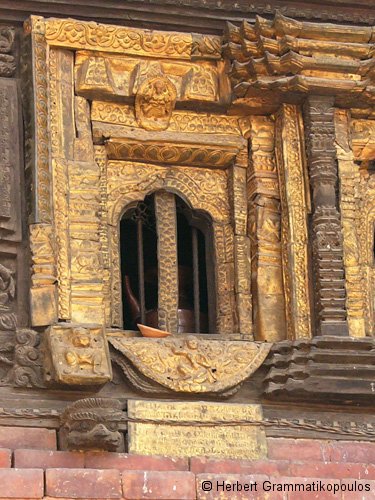
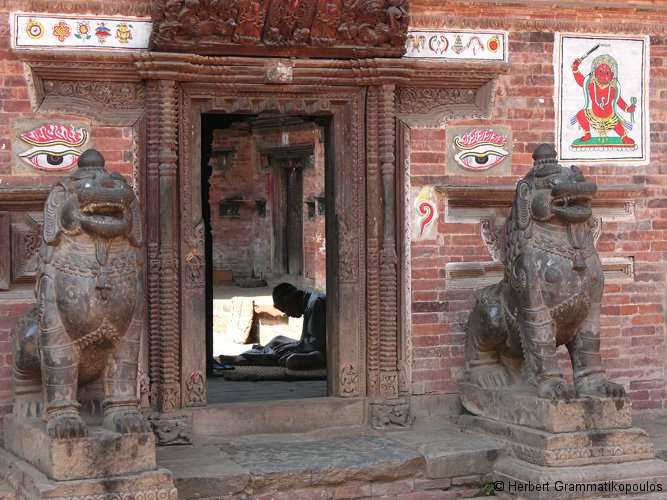
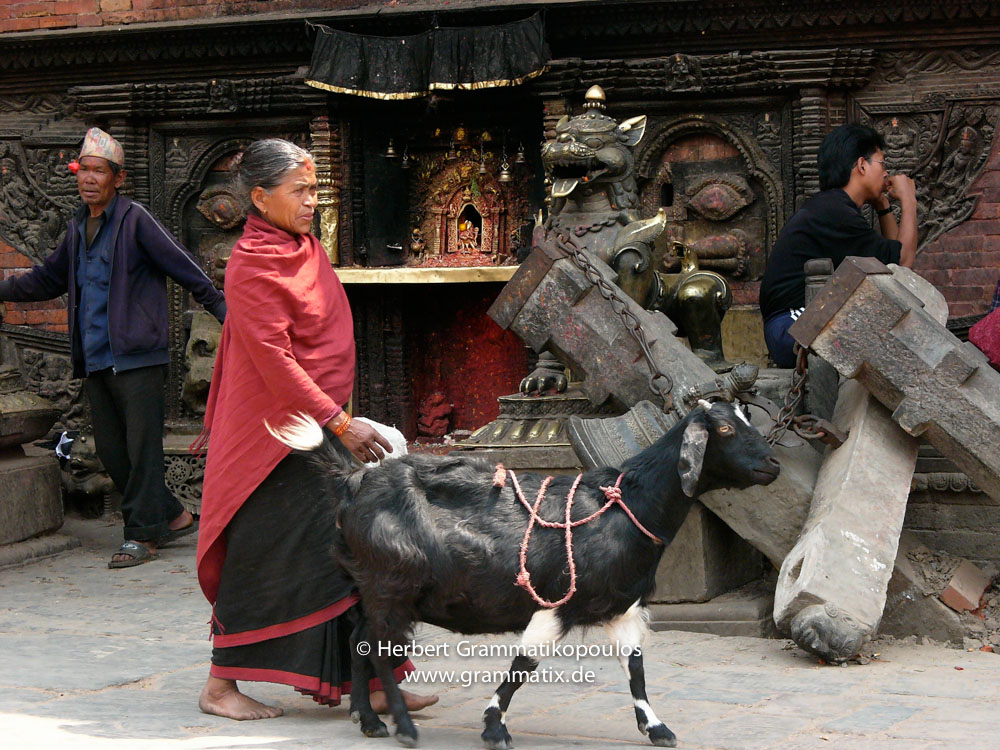
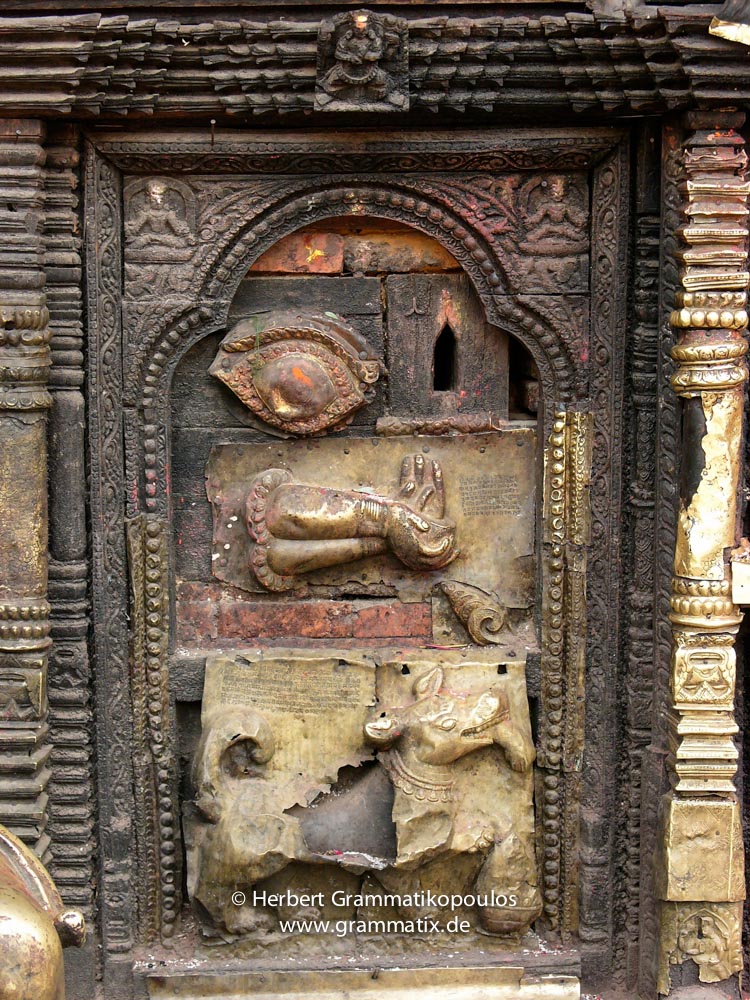
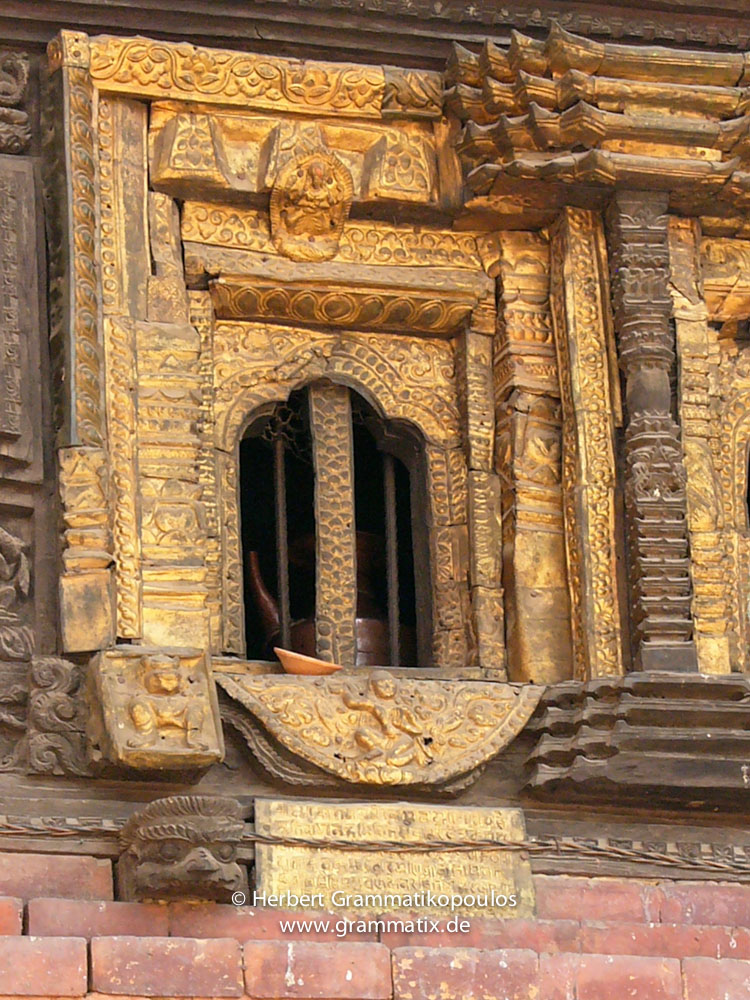
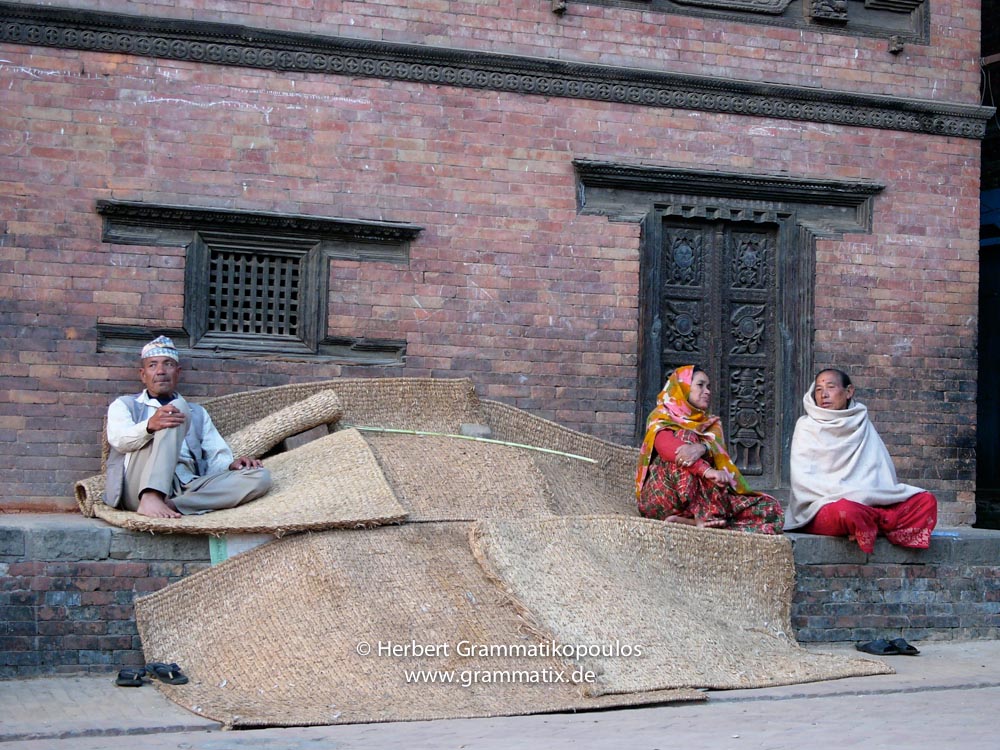
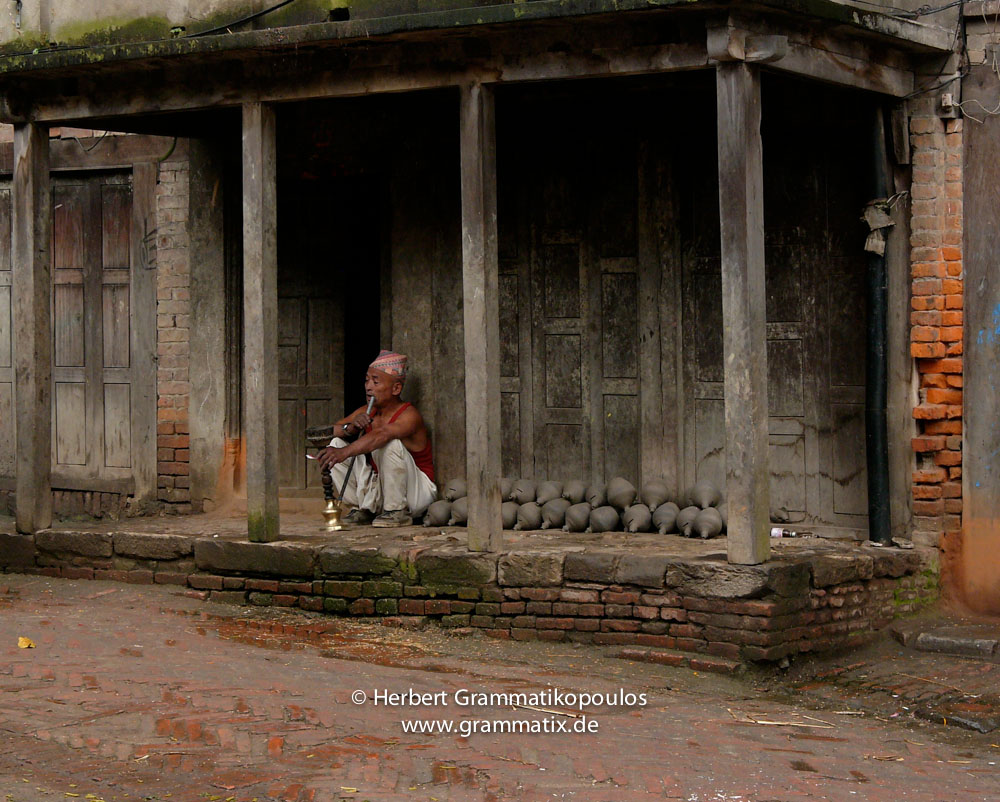
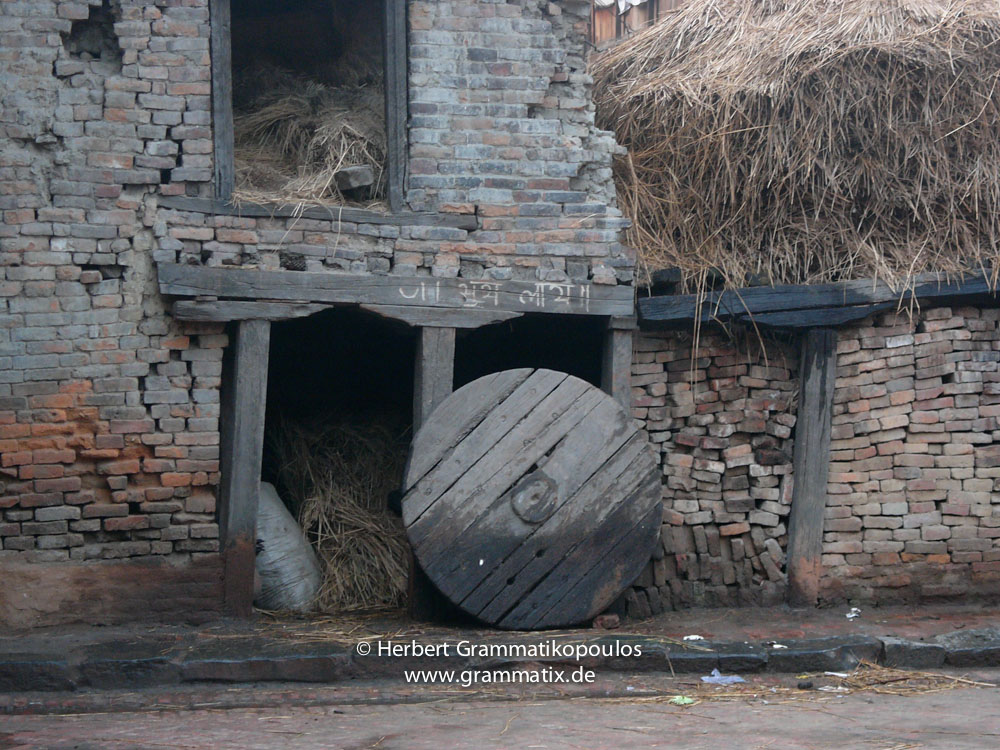
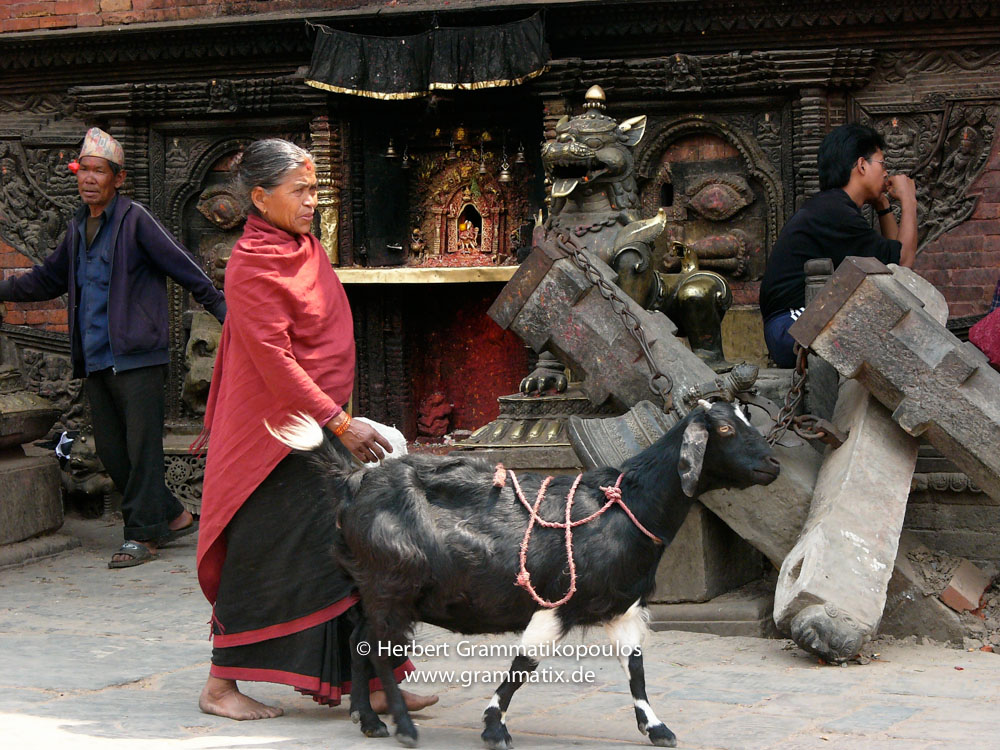
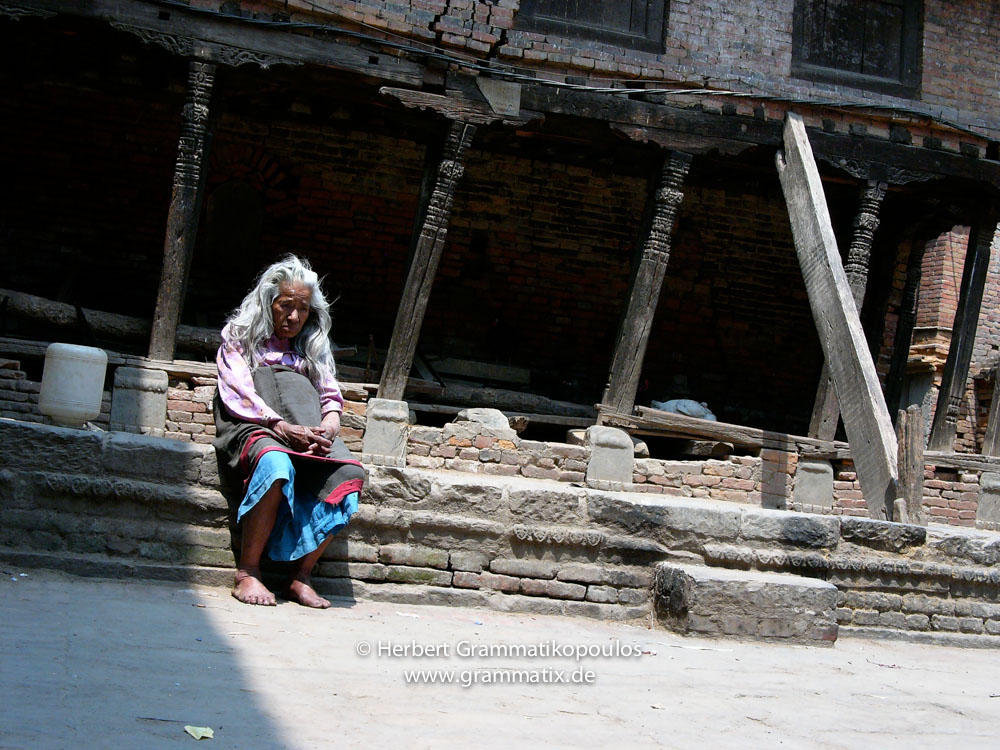
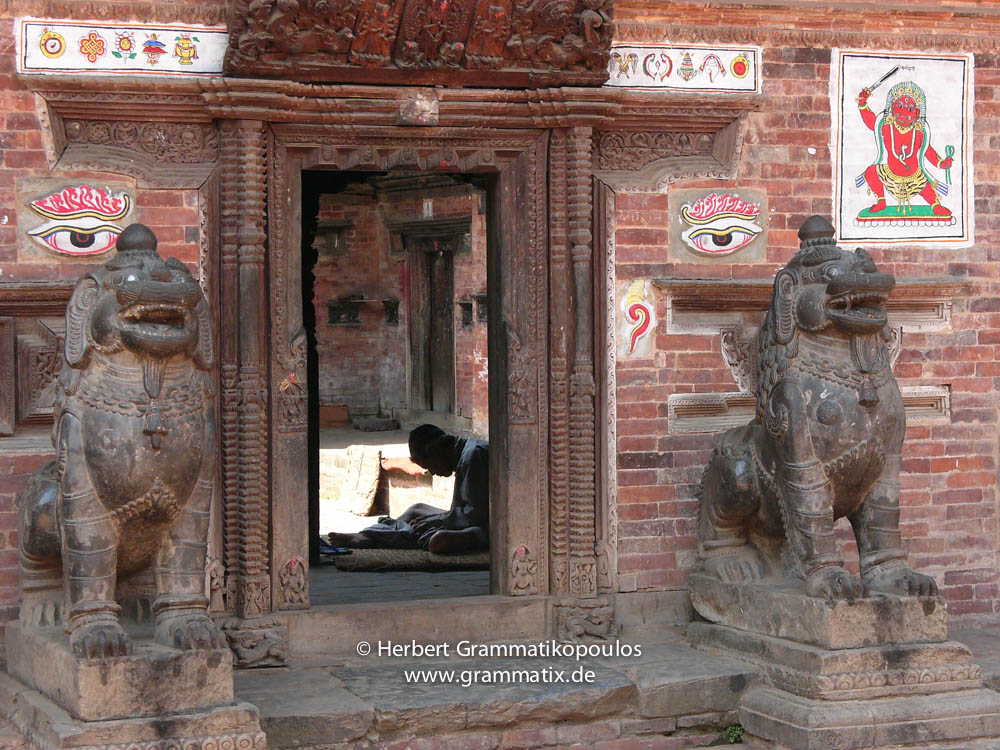
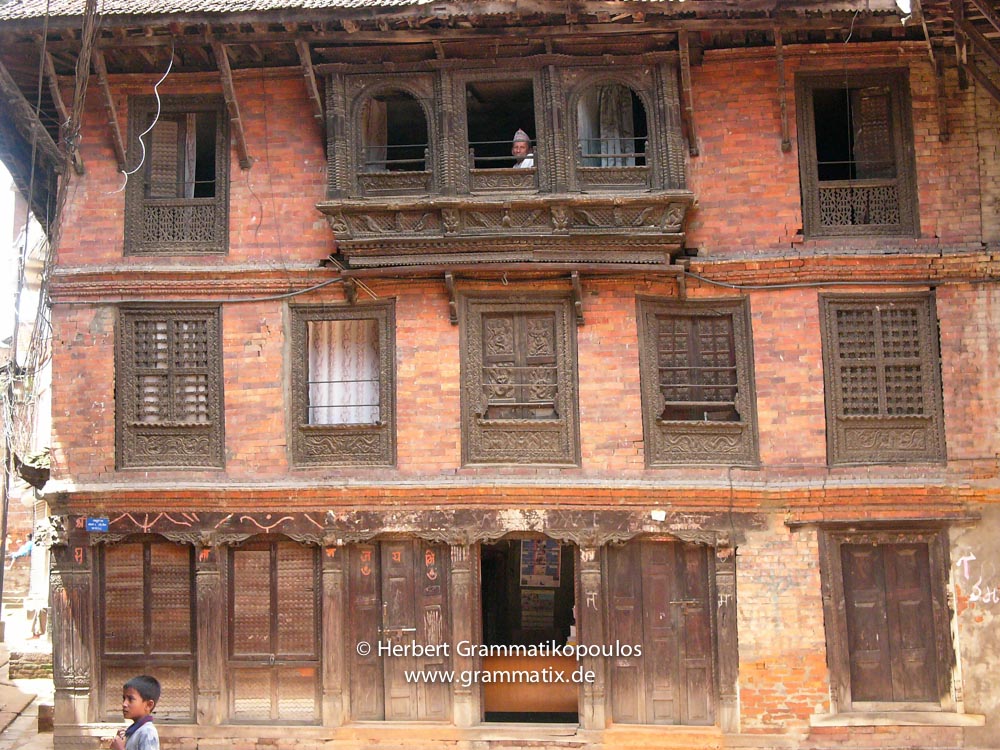
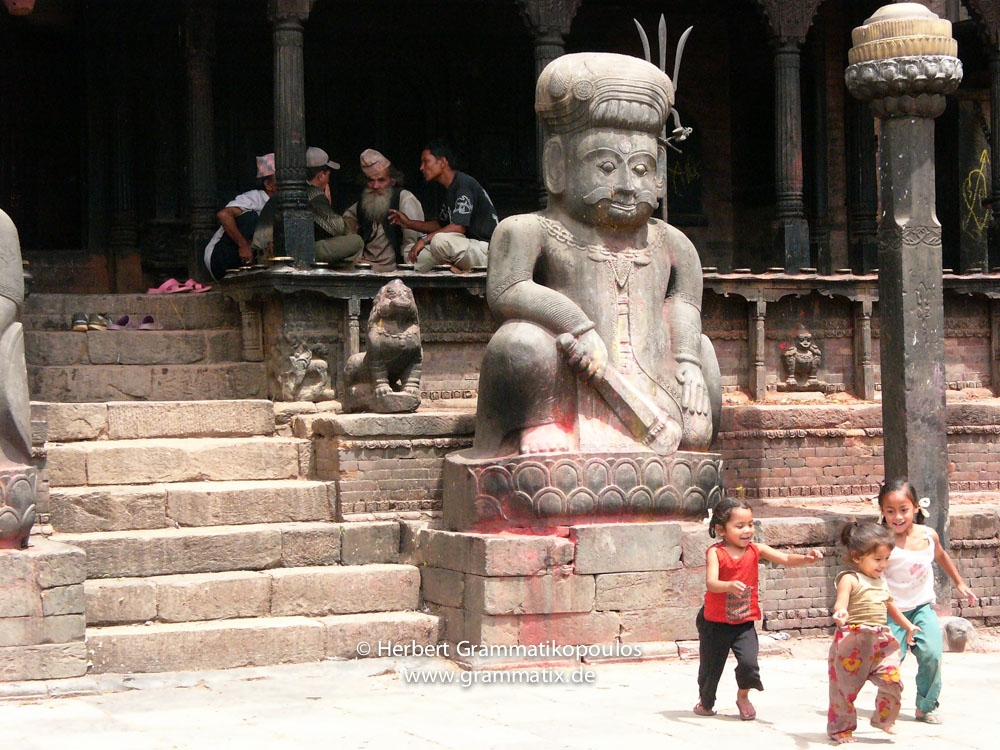
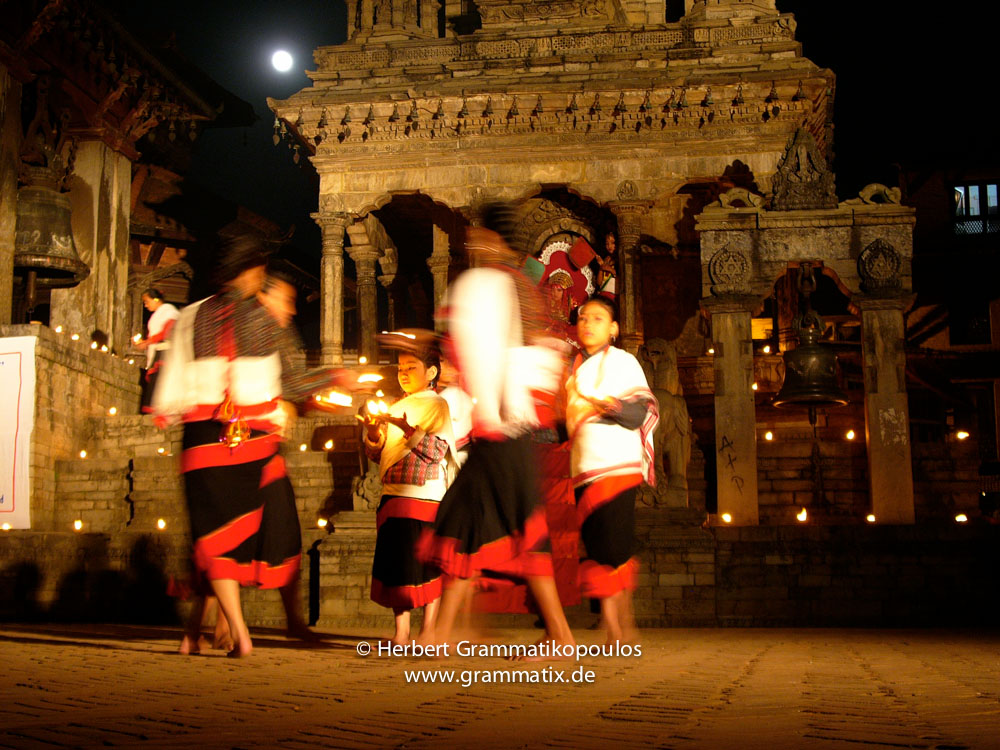
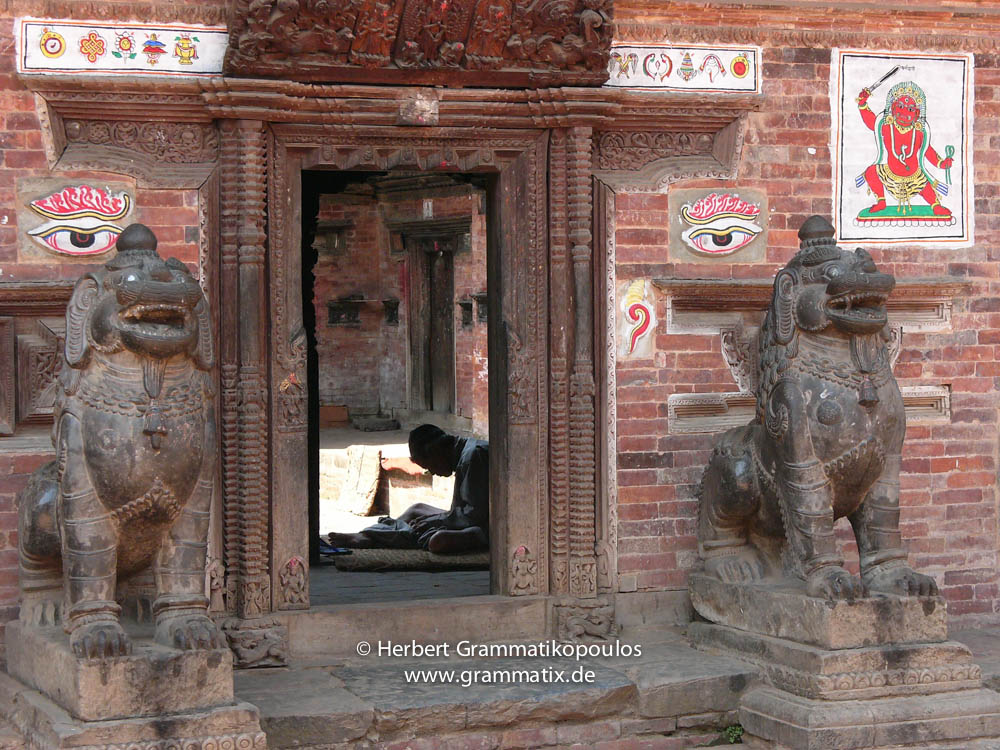
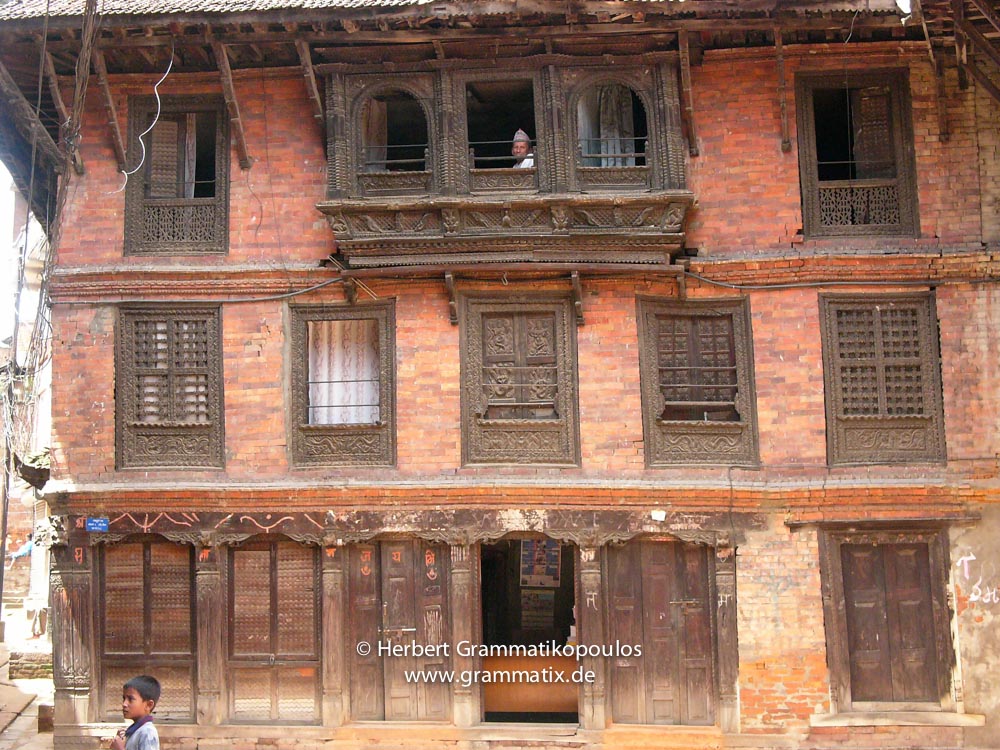
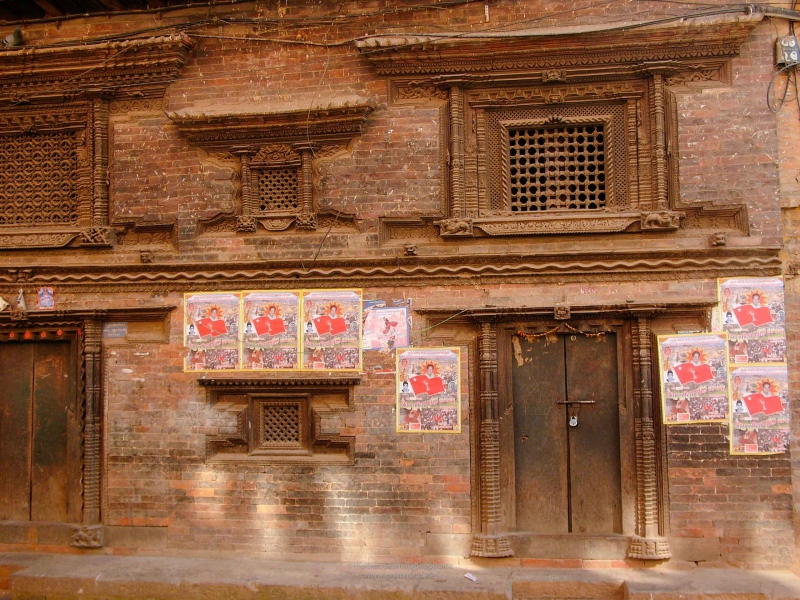
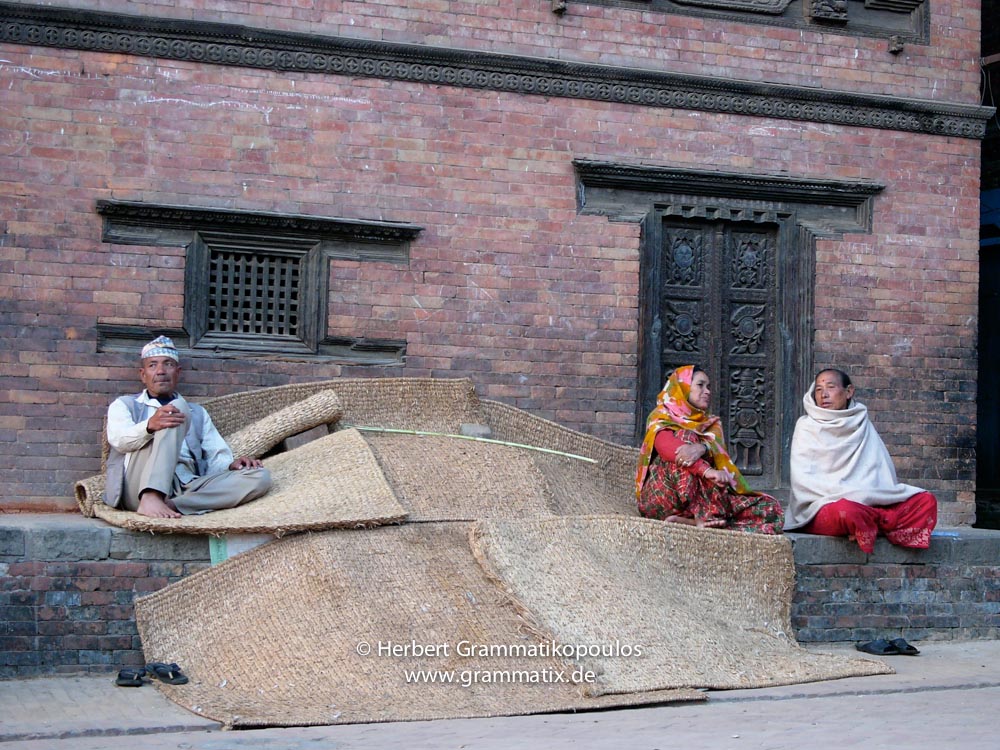
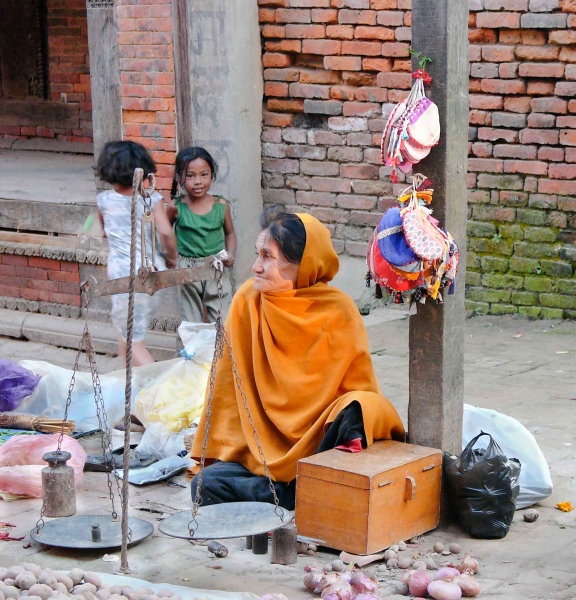
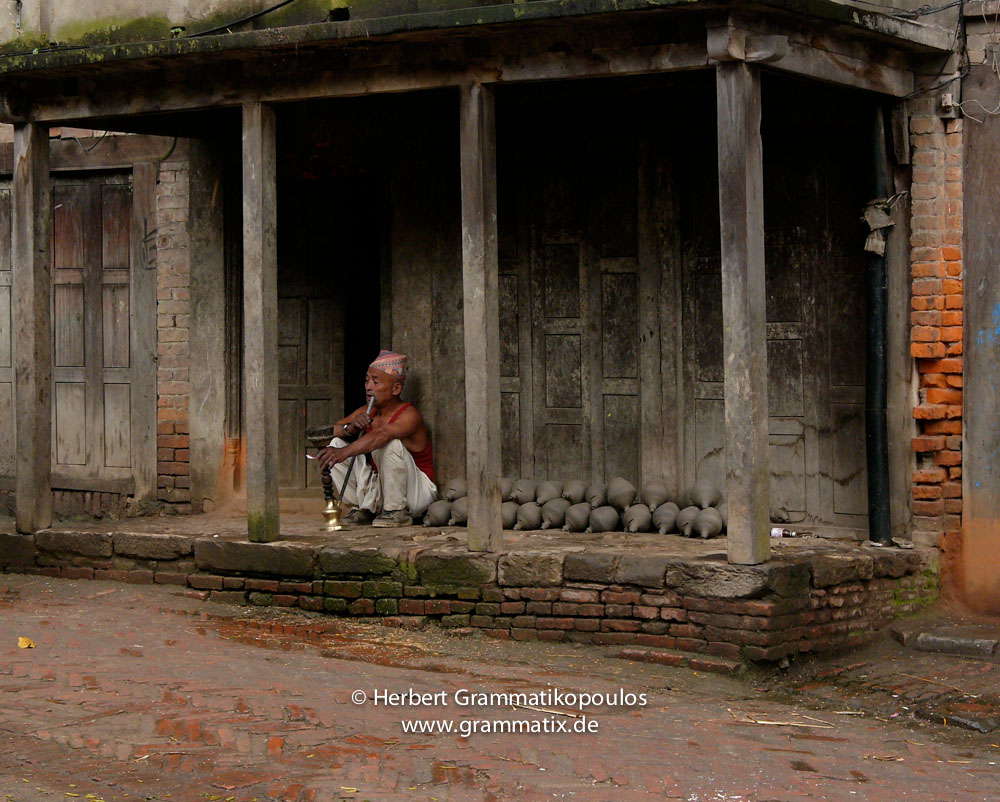
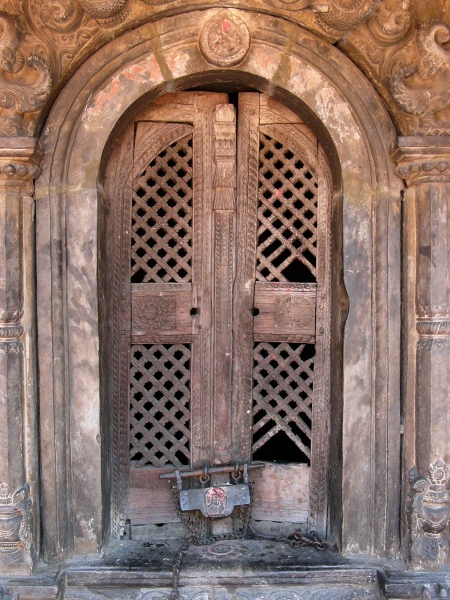
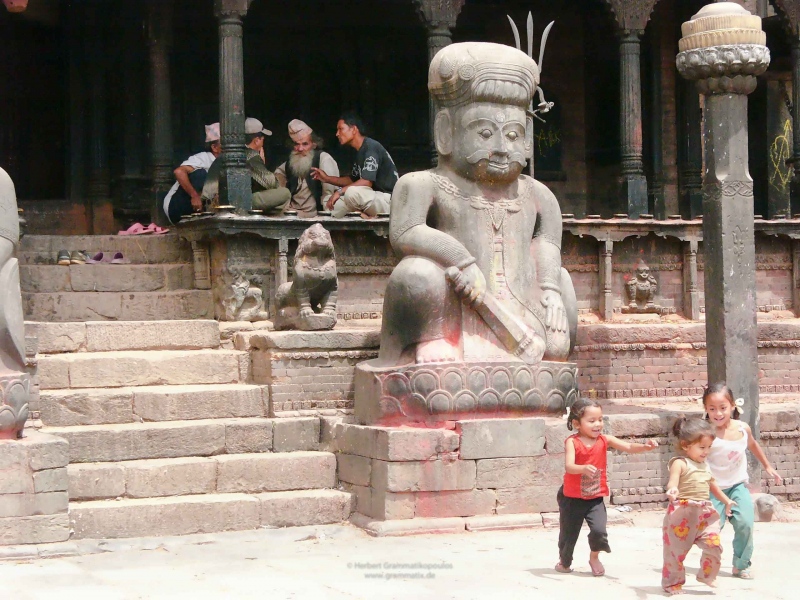
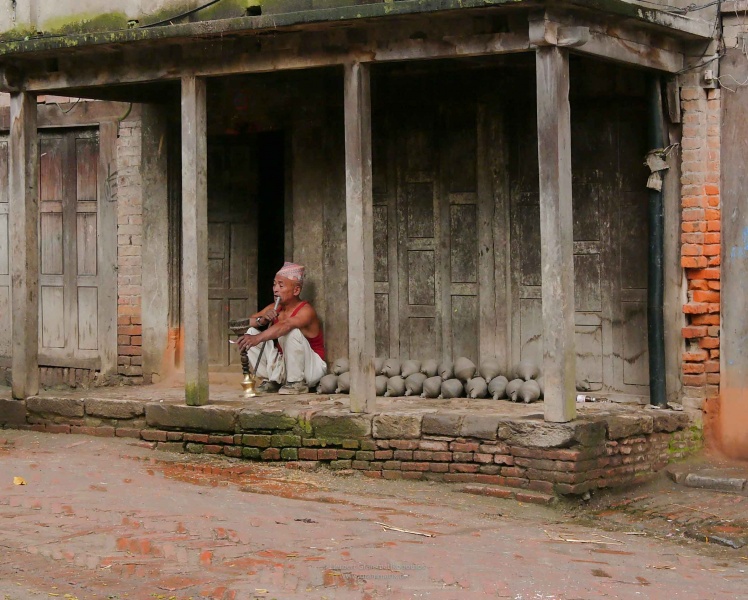
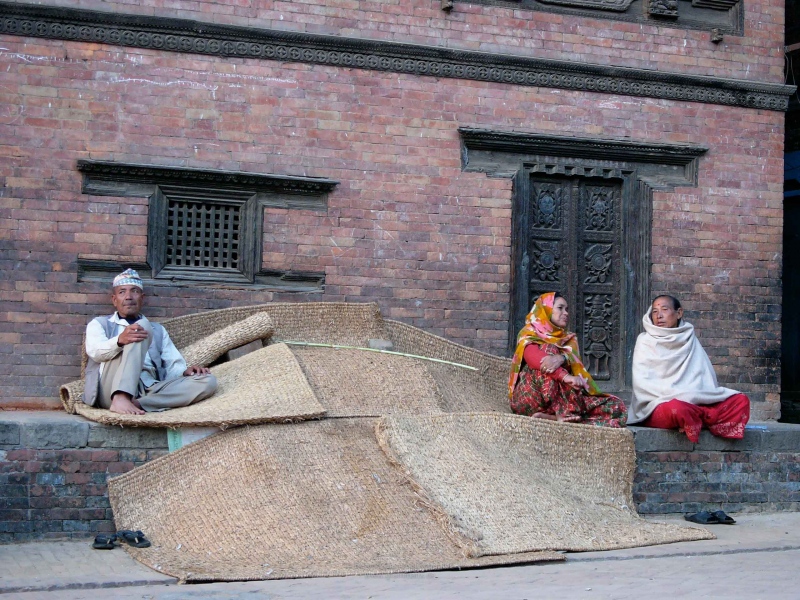
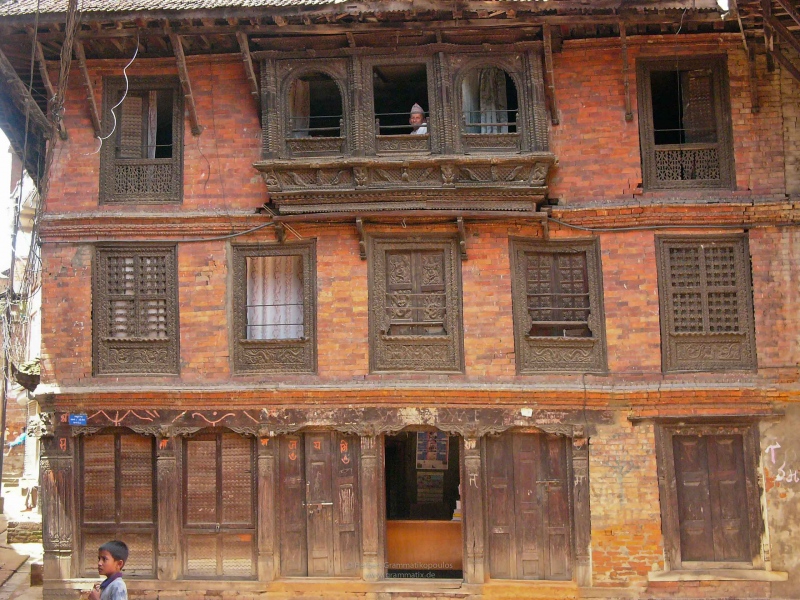
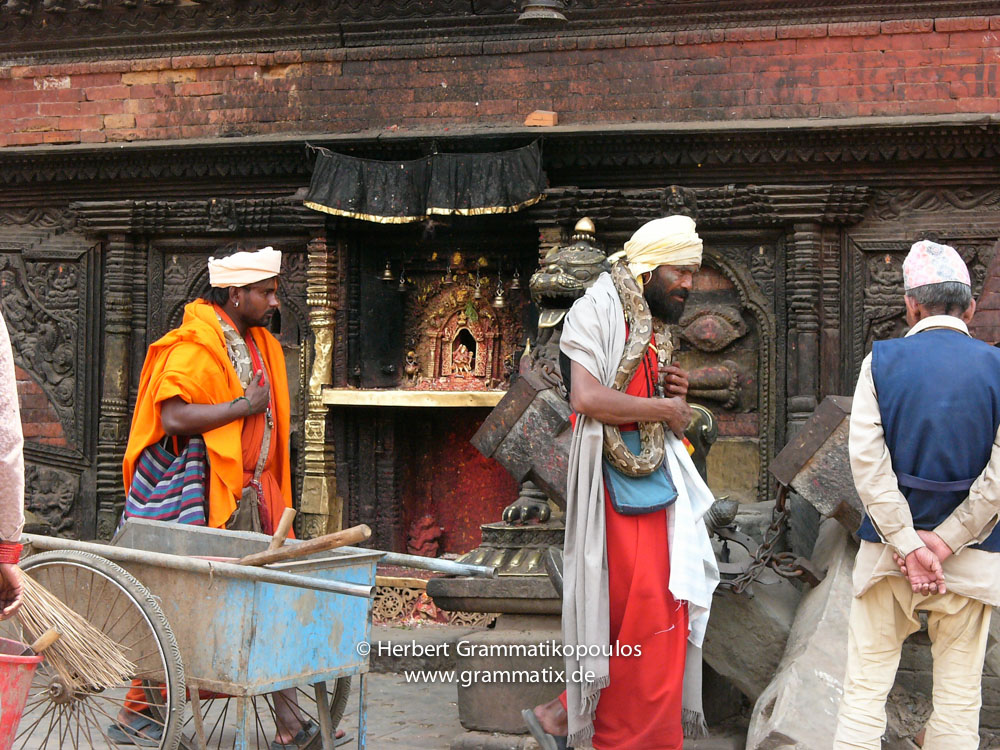
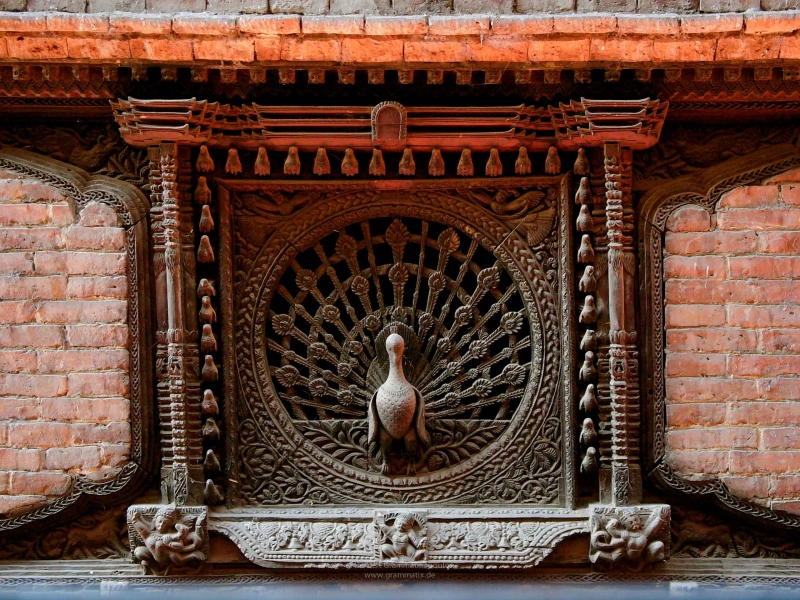
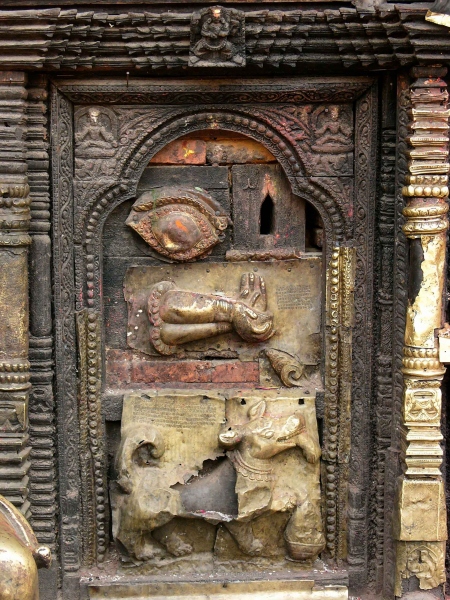
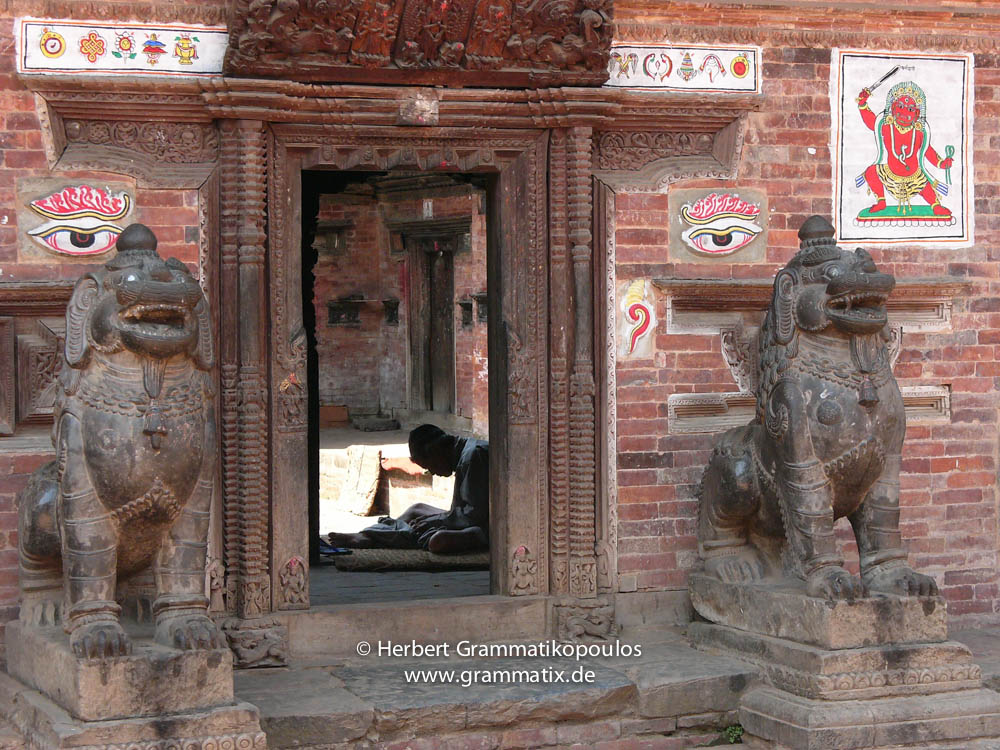
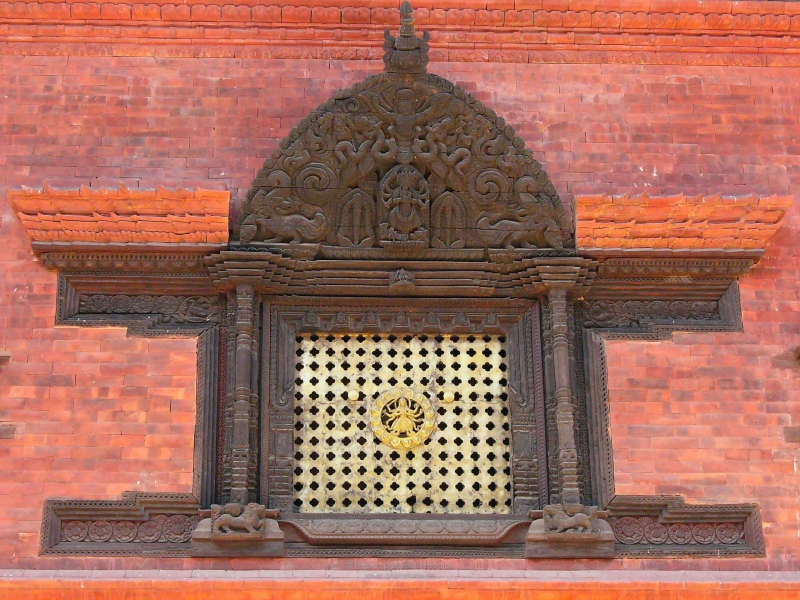
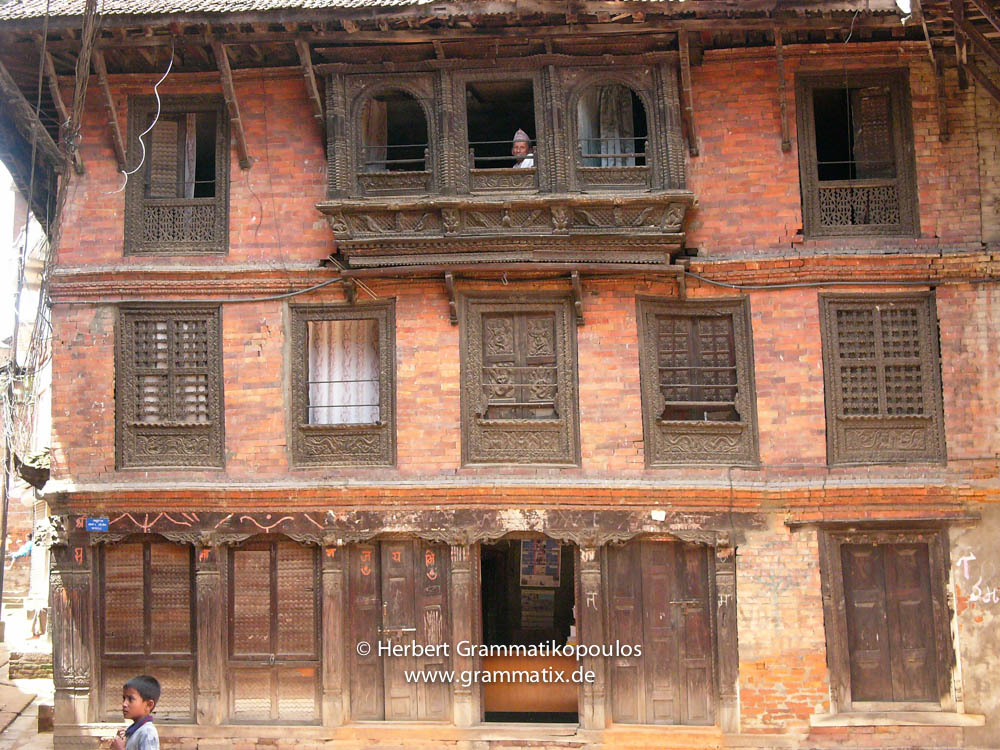
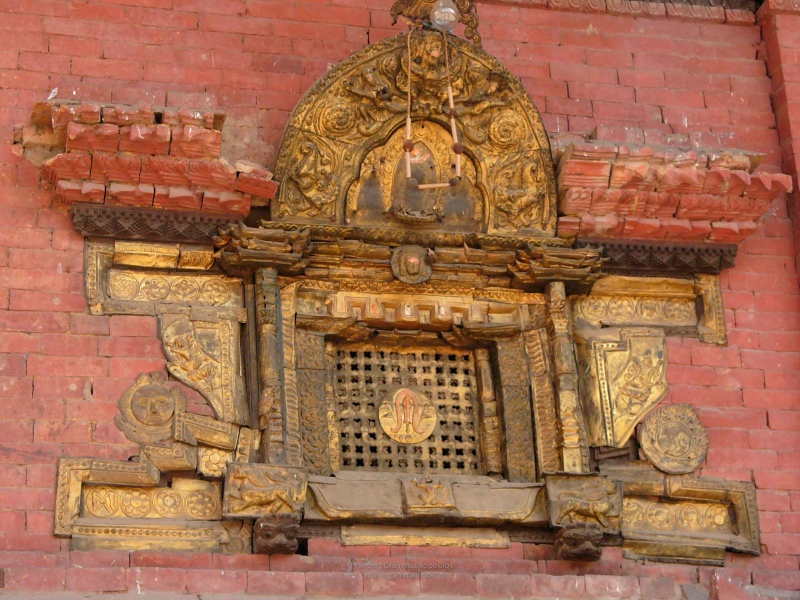
70l1010308 23l1040754 Nepal, Central Region, Bagmati Zone, Bhaktapur District, Bhaktapur District, Bhaktapur: Relaxing after hard work at the Dattatraya Square Nepal, Central Region, Bagmati Zone, Bhaktapur District, Bhaktapur, Taumadhi Square: An old woman with her goat at the broken construction of the bell in front of Bhairabnath temple Nepal, Central Region, Bagmati Zone, Bhaktapur District, Bhaktapur, Taumadhi Square: Broken construction of the Taleju-bell in front of Bhairabnath temple Nepal, Central Region, Bagmati Zone, Bhaktapur District, Bhaktapur, Taumadhi Square: Detail of a shrine at the Bhairabnath Temple Nepal, Central Region, Bagmati Zone, Bhaktapur District, Bhaktapur, Sukuldhoka/Tadhunchen: Door of a Buddhist house with the eight auspicious signs Nepal, Central Region, Bagmati Zone, Bhaktapur District, Nepal, Bhaktapur, Tadhunchen: Old man repairing his clothes inside the Tadhunchen Bahal Mandir Nepal, Central Region, Bagmati Zone, Bhaktapur District, Bhaktapur, Durbar Square: Door with bothe talsa Nepal, Central Region, Bagmati Zone, Bhaktapur District, Bhaktapur: "Golden window" of the Bhairabnath temple, Taumadhi Square Nepal, Central Region, Bagmati Zone, Bhaktapur District, Bhaktapur: Relaxing after hard work at the Dattatraya Square Nepal, Central Region, Bagmati Zone, Bhaktapur District, Bhaktapur District, Bhaktapur: Relaxing after hard work at the Dattatraya Square Nepal, Central Region, Bagmati Zone, Bhaktapur District, Bhaktapur, Talako (Pottery Square): Old man smoking a traditional 'Hooka' Nepal, Central Region, Bagmati Zone, Bhaktapur District, Bhaktapur, Dattatraya Square: Scene in a backyard Nepal, Central Region, Bagmati Zone, Bhaktapur District, Bhaktapur, Taumadhi Square: Snake whistlers from India and street sweepersin front of the Bhairabnath Temple Nepal, Central Region, Bagmati Zone, Bhaktapur District, Bhaktapur, Taumadhi Square: An old woman with her goat at the broken construction of the bell in front of Bhairabnath temple Nepal, Central Region, Bagmati Zone, Bhaktapur District, Bhaktapur, Taumadhi Square: The Bisket Jatra chariot, used for the celebrations of the Newari new year Nepal, Central Region, Bagmati Zone, Bhaktapur District, Bhaktapur, Lakulache Tole: Old women remembering better times? Nepal, Central Region, Bagmati Zone, Bhaktapur District, Nepal, Bhaktapur, Tadhunchen: Old man repairing his clothes inside the Tadhunchen Bahal Mandir Nepal, Central Region, Bagmati Zone, Bhaktapur, Tibuche Tole: Woodcarved windows of a tradtional brick houses Nepal, Central Region, Bagmati Zone, Bhaktapur, Dattatraya Square: Children playing in front of the  Bhimsen Temple Nepal, Central Region, Bagmati Zone, Bhaktapur, Durbar Square: Aarati-Dance. It is the process of worship offering by oil lamps to the dietes. Usually it is a process used for gods and goddesses and holy beings. As our culture consider guests to be the form of god and goddesses, we present this dance constituting the “Aarati” in which Newari girls in their traditional attires will present it in the hope the peace and prosperity may shine down on us.
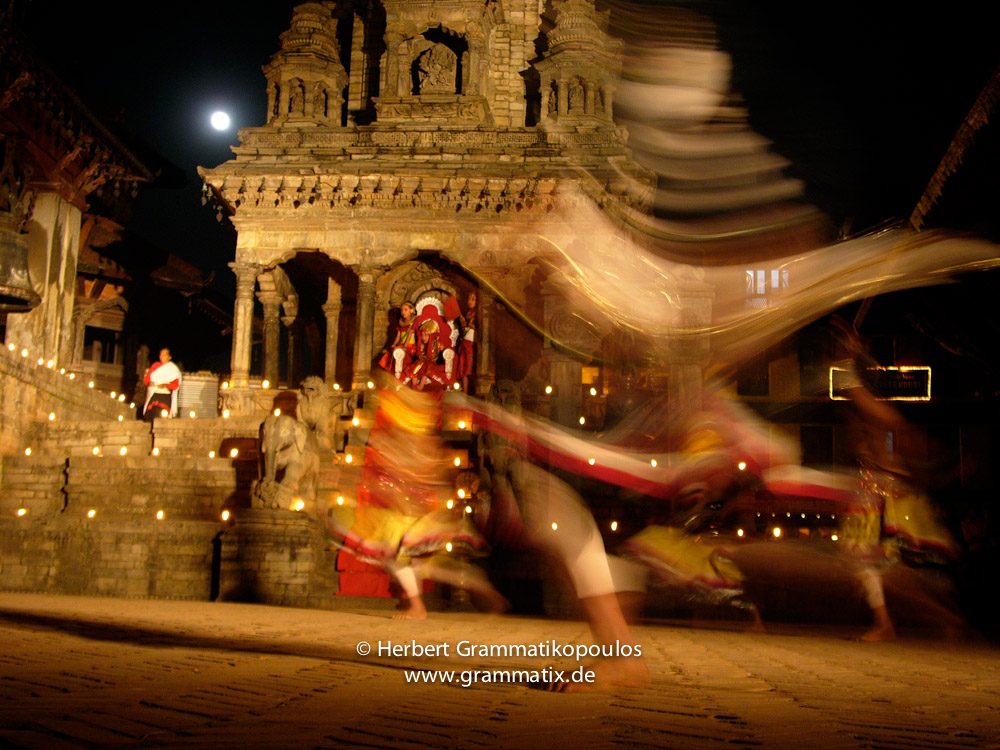
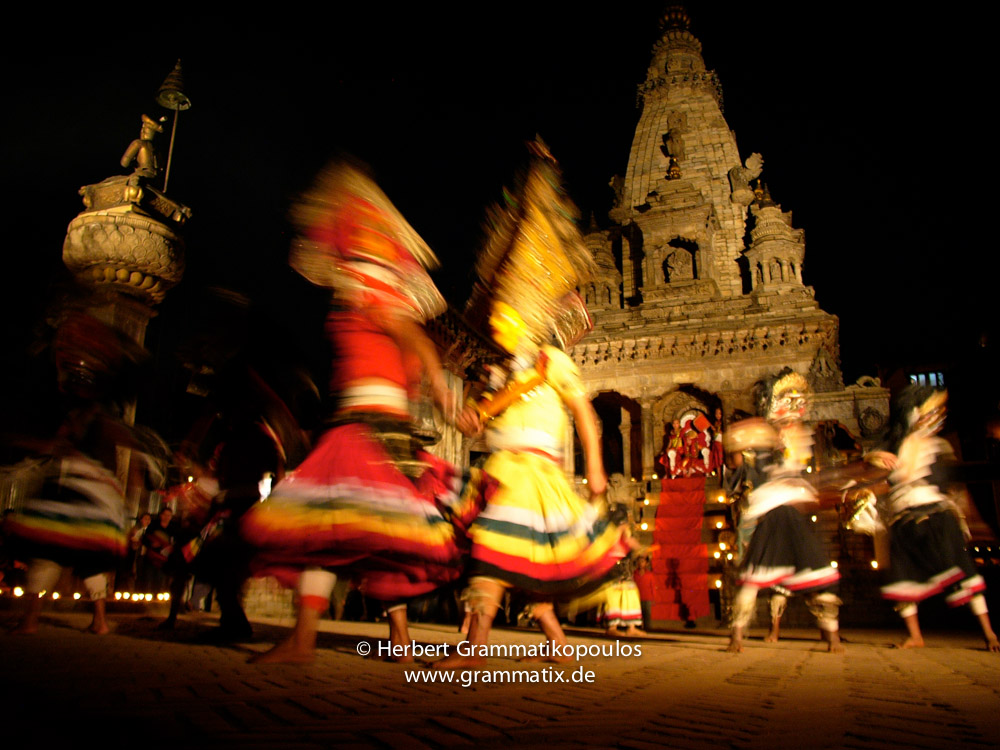
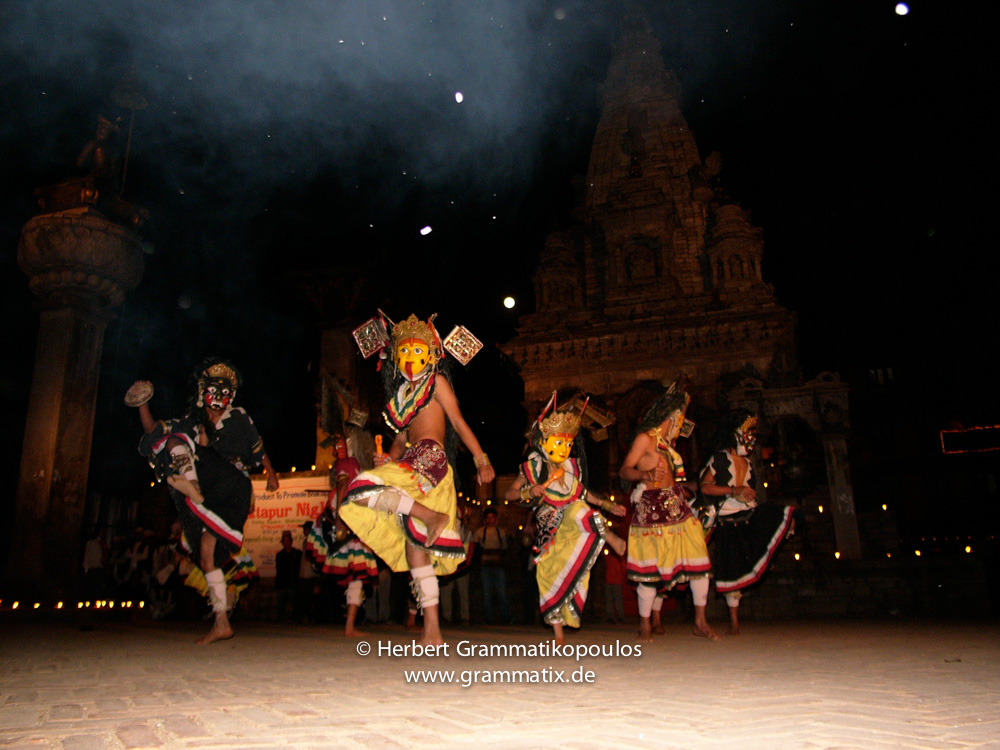
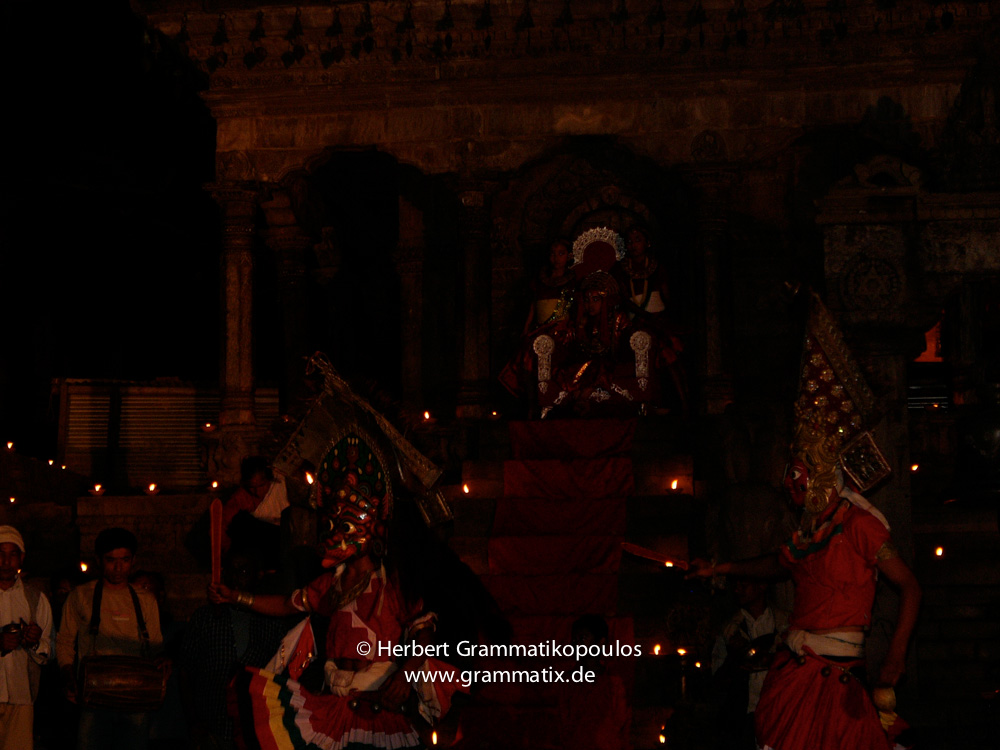
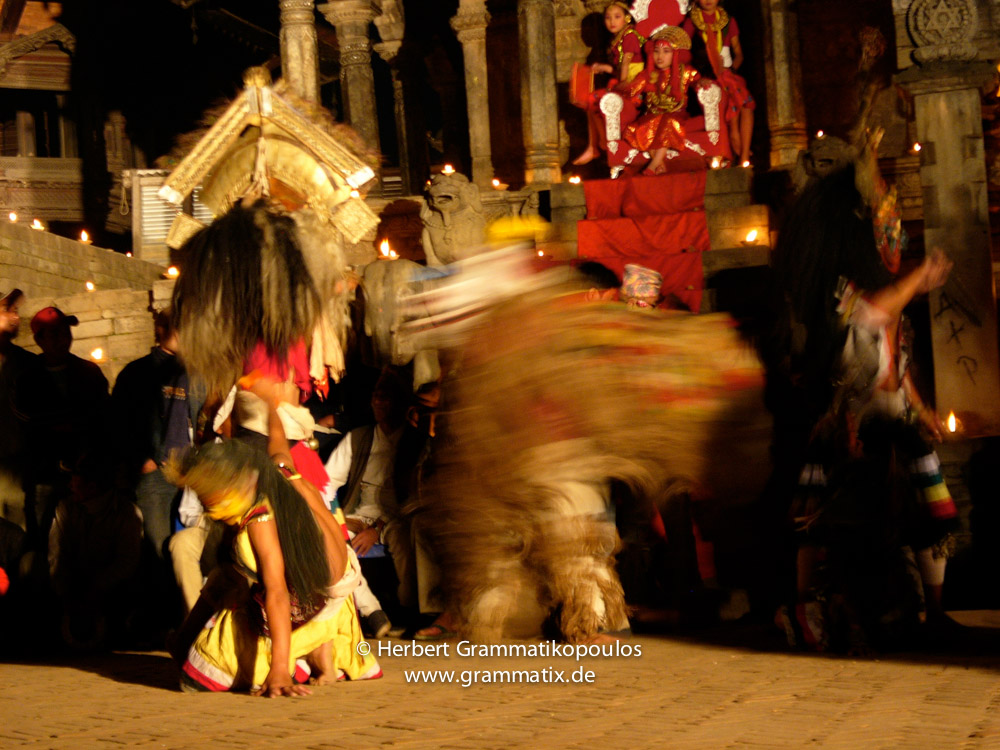
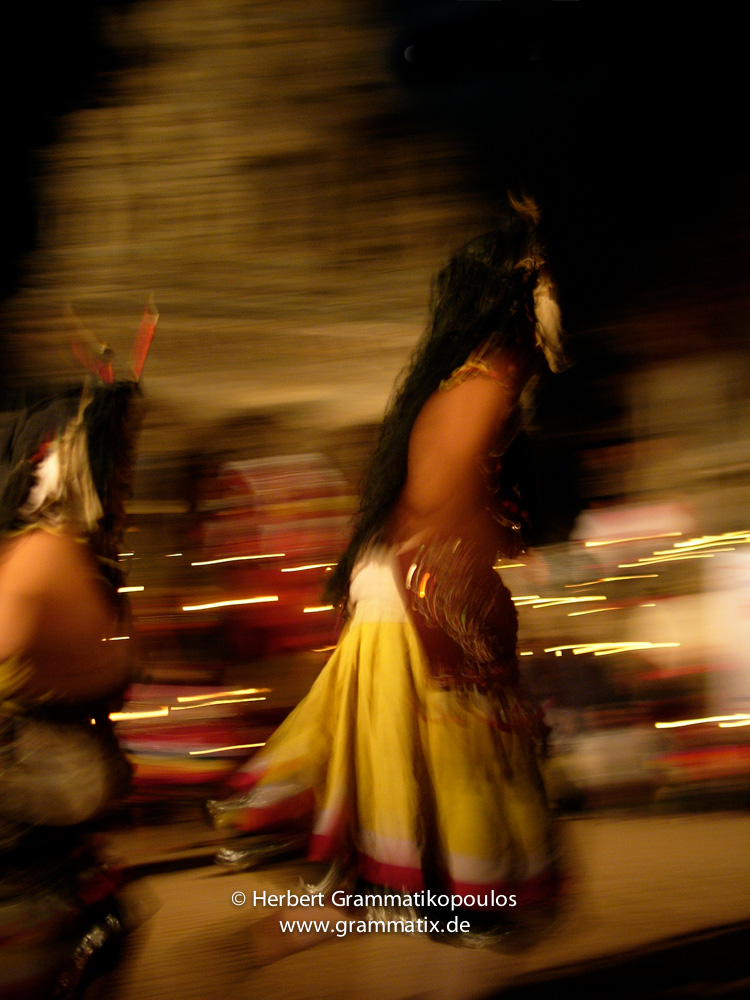
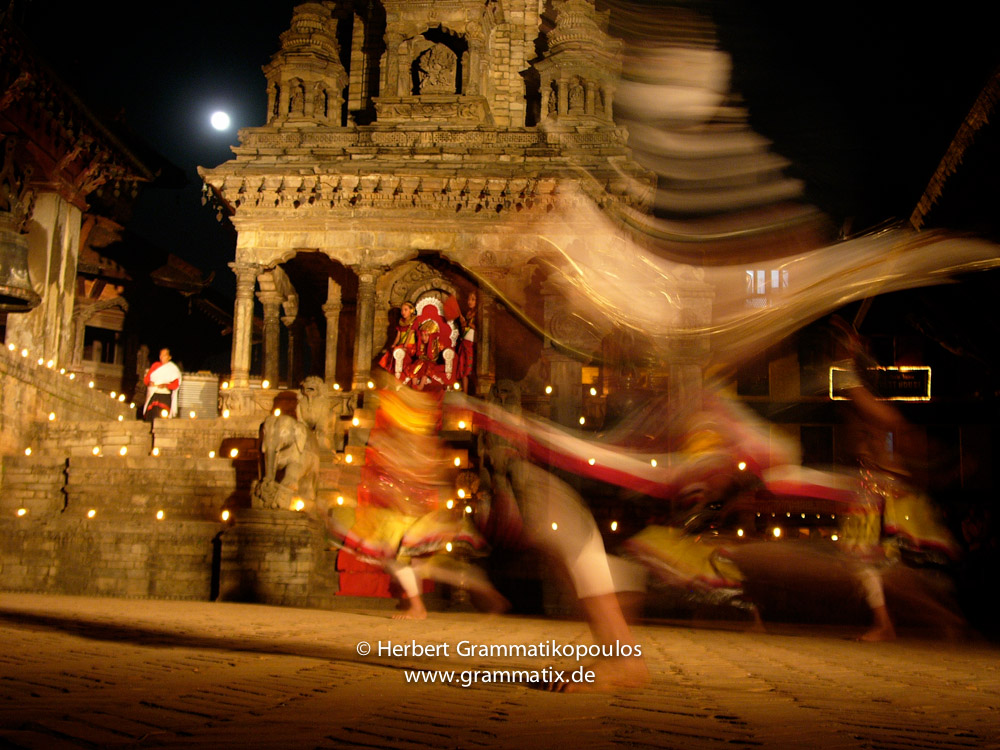
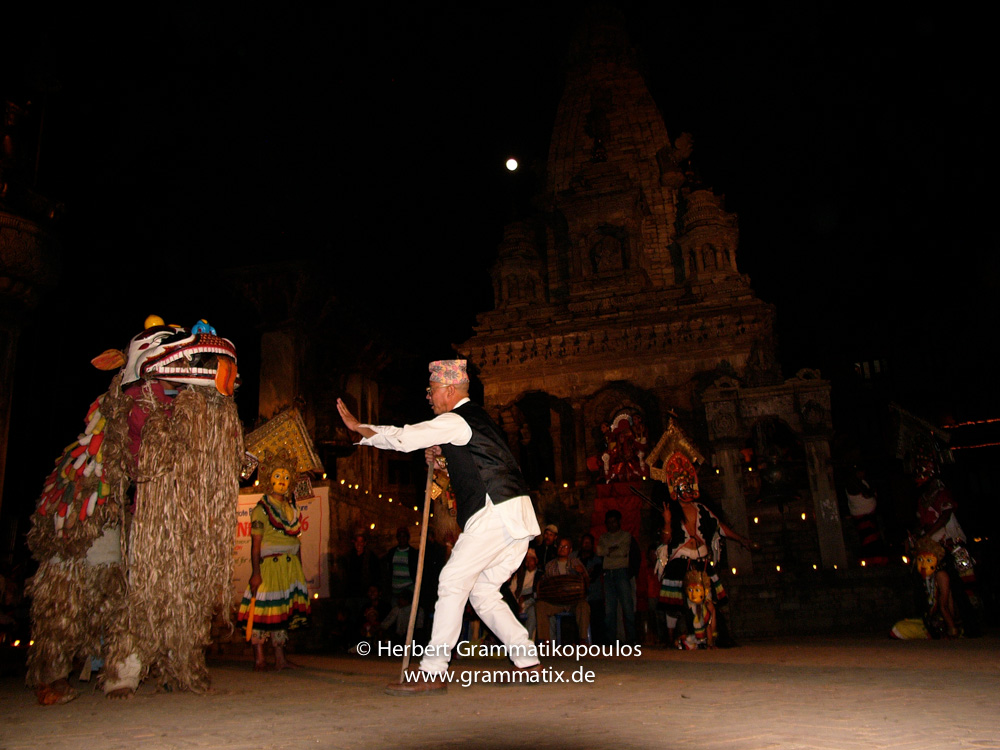
Die Kumari beobachtet das Geschehen auf ihrem Thron im Vatsala Durga Mandir. (1/8) Venue: 6th Bhaktapur Night 2006 Nepal, Central Region, Bagmati Zone, Bhairav Dance: Bhaktapur is also known as the ‘capital of cultural dances and cultural music’. Among many traditional cultural dances of Bhaktapur, mask dances are one of the most popular. And among these masked dances the ‘Bhairav Pyakhan’ or ‘Bhairav Dance’ is the most popular one.
 Almost all of the traditional dances follow some kind of legend and traditional beliefs and same with the “Bhairava Pyakhan” or “Bhairava Dance”. The legend behind the “Bhairav Dance” goes as follows. Hundreds of years back, the evil forces and beings, ‘Bhoot’, ‘Pisach’ and ‘Rakshasa’, started to dominate the world. The evil beings, ‘Daityas’ started destroying humans and the natural balance was threatened. Then the god “Bhairava” came down to Earth with other divine bodies to destroy those evil beings for restoring peace and to maintain the natural balance.
Die Kumari beobachtet das Geschehen auf ihrem Thron im Vatsala Durga Mandir. (1/33) Venue: 6th Bhaktapur Night 2006 Nepal, Central Region, Bagmati Zone, Bhairav Dance: Bhaktapur is also known as the ‘capital of cultural dances and cultural music’. Among many traditional cultural dances of Bhaktapur, mask dances are one of the most popular. And among these masked dances the ‘Bhairav Pyakhan’ or ‘Bhairav Dance’ is the most popular one.
 Almost all of the traditional dances follow some kind of legend and traditional beliefs and same with the “Bhairava Pyakhan” or “Bhairava Dance”. The legend behind the “Bhairav Dance” goes as follows. Hundreds of years back, the evil forces and beings, ‘Bhoot’, ‘Pisach’ and ‘Rakshasa’, started to dominate the world. The evil beings, ‘Daityas’ started destroying humans and the natural balance was threatened. Then the god “Bhairava” came down to Earth with other divine bodies to destroy those evil beings for restoring peace and to maintain the natural balance.
Die Kumari beobachtet das Geschehen auf ihrem Thron im Vatsala Durga Mandir. (1/33) Venue: 6th Bhaktapur Night 2006 Nepal, Central Region, Bagmati Zone, Bhairav Dance: Bhaktapur is also known as the ‘capital of cultural dances and cultural music’. Among many traditional cultural dances of Bhaktapur, mask dances are one of the most popular. And among these masked dances the ‘Bhairav Pyakhan’ or ‘Bhairav Dance’ is the most popular one.
 Almost all of the traditional dances follow some kind of legend and traditional beliefs and same with the “Bhairava Pyakhan” or “Bhairava Dance”. The legend behind the “Bhairav Dance” goes as follows. Hundreds of years back, the evil forces and beings, ‘Bhoot’, ‘Pisach’ and ‘Rakshasa’, started to dominate the world. The evil beings, ‘Daityas’ started destroying humans and the natural balance was threatened. Then the god “Bhairava” came down to Earth with other divine bodies to destroy those evil beings for restoring peace and to maintain the natural balance.
Die Kumari beobachtet das Geschehen auf ihrem Thron im Vatsala Durga Mandir. (1/33) Venue: 6th Bhaktapur Night 2006 Nepal, Central Region, Bagmati Zone, Bhairav Dance: Bhaktapur is also known as the ‘capital of cultural dances and cultural music’. Among many traditional cultural dances of Bhaktapur, mask dances are one of the most popular. And among these masked dances the ‘Bhairav Pyakhan’ or ‘Bhairav Dance’ is the most popular one.
 Almost all of the traditional dances follow some kind of legend and traditional beliefs and same with the “Bhairava Pyakhan” or “Bhairava Dance”. The legend behind the “Bhairav Dance” goes as follows. Hundreds of years back, the evil forces and beings, ‘Bhoot’, ‘Pisach’ and ‘Rakshasa’, started to dominate the world. The evil beings, ‘Daityas’ started destroying humans and the natural balance was threatened. Then the god “Bhairava” came down to Earth with other divine bodies to destroy those evil beings for restoring peace and to maintain the natural balance.
Die Kumari beobachtet das Geschehen auf ihrem Thron im Vatsala Durga Mandir. (1/33) Venue: 6th Bhaktapur Night 2006 Nepal, Central Region, Bagmati Zone, Bhairav Dance: Bhaktapur is also known as the ‘capital of cultural dances and cultural music’. Among many traditional cultural dances of Bhaktapur, mask dances are one of the most popular. And among these masked dances the ‘Bhairav Pyakhan’ or ‘Bhairav Dance’ is the most popular one.
 Almost all of the traditional dances follow some kind of legend and traditional beliefs and same with the “Bhairava Pyakhan” or “Bhairava Dance”. The legend behind the “Bhairav Dance” goes as follows. Hundreds of years back, the evil forces and beings, ‘Bhoot’, ‘Pisach’ and ‘Rakshasa’, started to dominate the world. The evil beings, ‘Daityas’ started destroying humans and the natural balance was threatened. Then the god “Bhairava” came down to Earth with other divine bodies to destroy those evil beings for restoring peace and to maintain the natural balance.
Die Kumari beobachtet das Geschehen auf ihrem Thron im Vatsala Durga Mandir. (1/33) Venue: 6th Bhaktapur Night 2006 Nepal, Central Region, Bagmati Zone, Bhaktapur, Durbar Square:  Jyapu-Jyapuni Dance: ‘Jyapu’; is the word used to address males of the Newari farmers community and ‘Jyapuni’ to address females. This dance depicts the legendary love story of a ‘Jyapu’ and a ‘Jyapuni’. The story is a popular and touching as the story of ‘Romeo & Juliet’ and the ‘Rajamati’, the lead female character is a very popular among Newars of all age groups. (1/13)
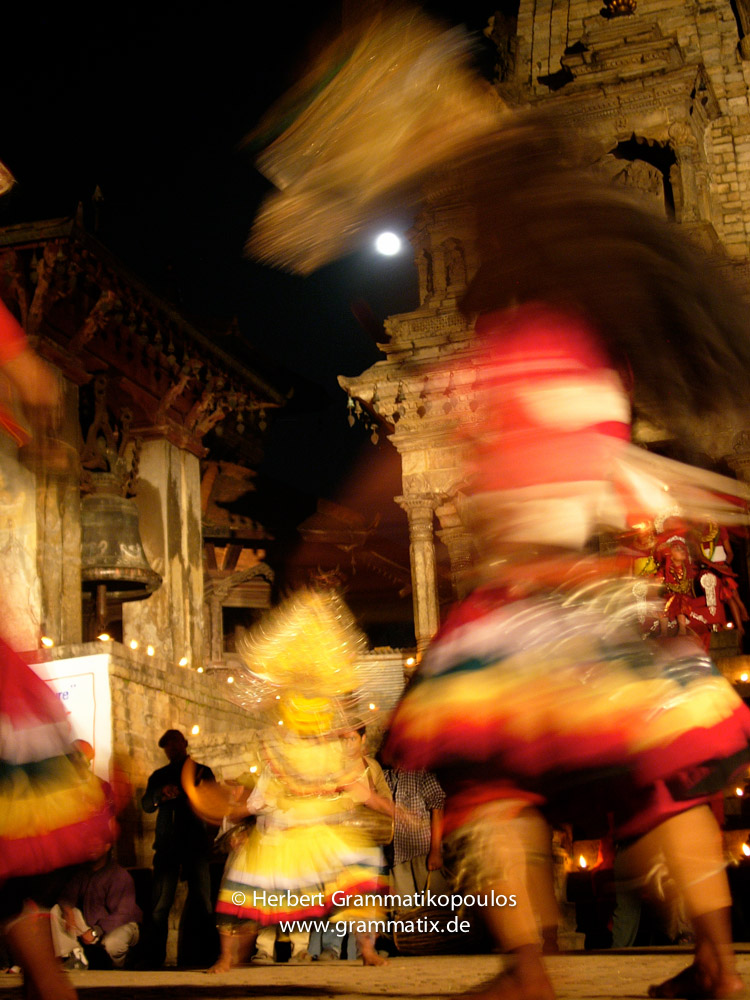
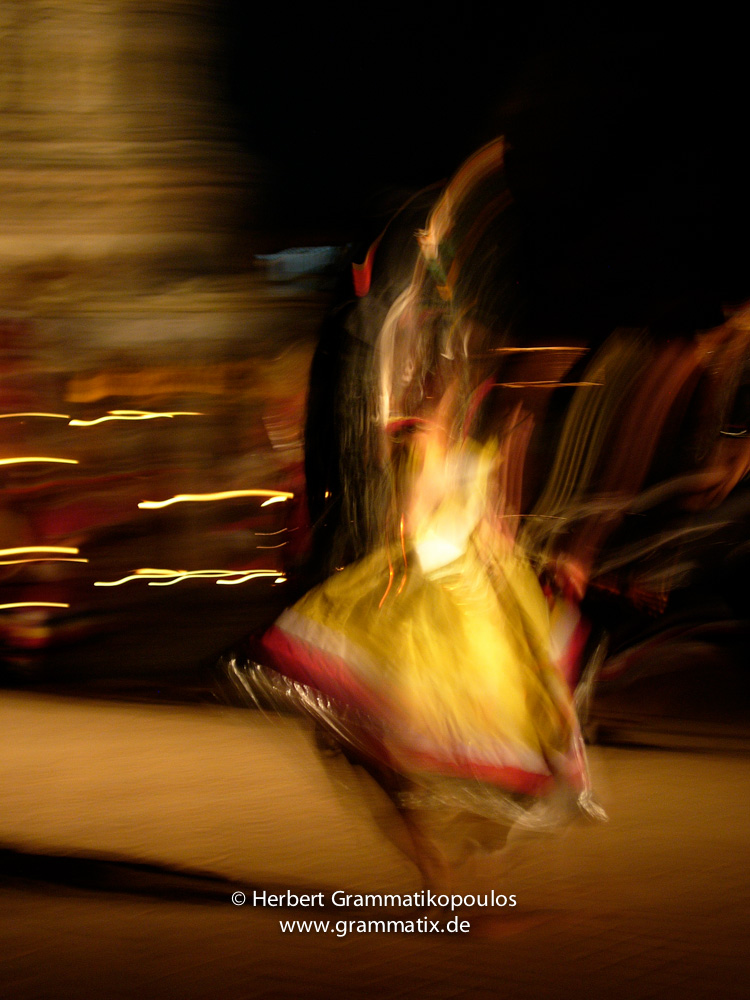
Venue: Bhaktapur Night 2006 Nepal, Central Region, Bagmati Zone, Bhairav Dance 2: Bhaktapur is also known as the ‘capital of cultural dances and cultural music’. Among many traditional cultural dances of Bhaktapur, mask dances are one of the most popular. And among these masked dances the ‘Bhairav Pyakhan’ or ‘Bhairav Dance’ is the most popular one.
  Almost all of the traditional dances follow some kind of legend and traditional beliefs and same with the “Bhairava Pyakhan” or “Bhairava Dance”. The legend behind the “Bhairav Dance” goes as follows. Hundreds of years back, the evil forces and beings, ‘Bhoot’, ‘Pisach’ and ‘Rakshasa’, started to dominate the world. The evil beings, ‘Daityas’ started destroying humans and the natural balance was threatened. Then the god “Bhairava” came down to Earth with other divine bodies to destroy those evil beings for restoring peace and to maintain the natural balance. (1/51)
Venue: Bhaktapur Night 2006 Nepal, Central Region, Bagmati Zone, Bhairav Dance 2: Bhaktapur is also known as the ‘capital of cultural dances and cultural music’. Among many traditional cultural dances of Bhaktapur, mask dances are one of the most popular. And among these masked dances the ‘Bhairav Pyakhan’ or ‘Bhairav Dance’ is the most popular one.
  Almost all of the traditional dances follow some kind of legend and traditional beliefs and same with the “Bhairava Pyakhan” or “Bhairava Dance”. The legend behind the “Bhairav Dance” goes as follows. Hundreds of years back, the evil forces and beings, ‘Bhoot’, ‘Pisach’ and ‘Rakshasa’, started to dominate the world. The evil beings, ‘Daityas’ started destroying humans and the natural balance was threatened. Then the god “Bhairava” came down to Earth with other divine bodies to destroy those evil beings for restoring peace and to maintain the natural balance. (1/51)
Venue: Bhaktapur Night 2006 Nepal, Central Region, Bagmati Zone, Bhairav Dance 2: Bhaktapur is also known as the ‘capital of cultural dances and cultural music’. Among many traditional cultural dances of Bhaktapur, mask dances are one of the most popular. And among these masked dances the ‘Bhairav Pyakhan’ or ‘Bhairav Dance’ is the most popular one.
  Almost all of the traditional dances follow some kind of legend and traditional beliefs and same with the “Bhairava Pyakhan” or “Bhairava Dance”. The legend behind the “Bhairav Dance” goes as follows. Hundreds of years back, the evil forces and beings, ‘Bhoot’, ‘Pisach’ and ‘Rakshasa’, started to dominate the world. The evil beings, ‘Daityas’ started destroying humans and the natural balance was threatened. Then the god “Bhairava” came down to Earth with other divine bodies to destroy those evil beings for restoring peace and to maintain the natural balance. (1/51)
Venue: Bhaktapur Night 2006 Nepal, Central Region, Bagmati Zone, Bhairav Dance 2: Bhaktapur is also known as the ‘capital of cultural dances and cultural music’. Among many traditional cultural dances of Bhaktapur, mask dances are one of the most popular. And among these masked dances the ‘Bhairav Pyakhan’ or ‘Bhairav Dance’ is the most popular one.
  Almost all of the traditional dances follow some kind of legend and traditional beliefs and same with the “Bhairava Pyakhan” or “Bhairava Dance”. The legend behind the “Bhairav Dance” goes as follows. Hundreds of years back, the evil forces and beings, ‘Bhoot’, ‘Pisach’ and ‘Rakshasa’, started to dominate the world. The evil beings, ‘Daityas’ started destroying humans and the natural balance was threatened. Then the god “Bhairava” came down to Earth with other divine bodies to destroy those evil beings for restoring peace and to maintain the natural balance. (18/51)
Venue: Bhaktapur Night 2006 Nepal, Central Region, Bagmati Zone, Bhairav Dance 2: Bhaktapur is also known as the ‘capital of cultural dances and cultural music’. Among many traditional cultural dances of Bhaktapur, mask dances are one of the most popular. And among these masked dances the ‘Bhairav Pyakhan’ or ‘Bhairav Dance’ is the most popular one.
  Almost all of the traditional dances follow some kind of legend and traditional beliefs and same with the “Bhairava Pyakhan” or “Bhairava Dance”. The legend behind the “Bhairav Dance” goes as follows. Hundreds of years back, the evil forces and beings, ‘Bhoot’, ‘Pisach’ and ‘Rakshasa’, started to dominate the world. The evil beings, ‘Daityas’ started destroying humans and the natural balance was threatened. Then the god “Bhairava” came down to Earth with other divine bodies to destroy those evil beings for restoring peace and to maintain the natural balance. (18/51)
Venue: Bhaktapur Night 2006 Nepal, Central Region, Bagmati Zone, Bhairav Dance 2: Bhaktapur is also known as the ‘capital of cultural dances and cultural music’. Among many traditional cultural dances of Bhaktapur, mask dances are one of the most popular. And among these masked dances the ‘Bhairav Pyakhan’ or ‘Bhairav Dance’ is the most popular one.
  Almost all of the traditional dances follow some kind of legend and traditional beliefs and same with the “Bhairava Pyakhan” or “Bhairava Dance”. The legend behind the “Bhairav Dance” goes as follows. Hundreds of years back, the evil forces and beings, ‘Bhoot’, ‘Pisach’ and ‘Rakshasa’, started to dominate the world. The evil beings, ‘Daityas’ started destroying humans and the natural balance was threatened. Then the god “Bhairava” came down to Earth with other divine bodies to destroy those evil beings for restoring peace and to maintain the natural balance. (28/51)
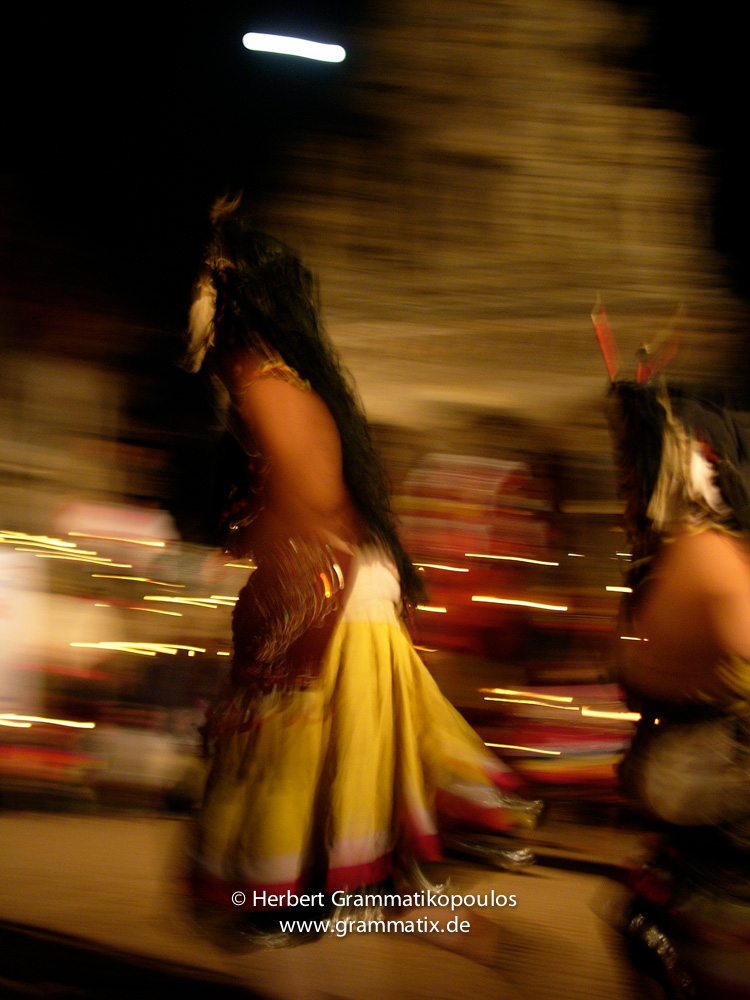
Venue: Bhaktapur Night 2006 Nepal, Central Region, Bagmati Zone, Dhimen Pyakhan: Newars celebrated every significant moment with great vigour. Whenever there is something to celebrate and enjoy, they gather and start dancing to the beats of the traditional drum, “Dhimen”. “Dhimen” beats are loud and make people jump to their feet. If interested, we request our guests to join in the dance. One has the freedom of moving in anyway with the beats. With some alcohol, the joy of the dance is enhanced for sure. (1/7)
Venue: Bhaktapur Night 2006 Nepal, Central Region, Bagmati Zone, Buran Jya: During the Malla Regime, Bhaktapur waged a war with Tibet. Tibetians on their victory spree came to defeat Bhaktapur. The Malla kings were scared and advised all country men to dump all the rice in store under the earth so that the Tibetians could not take them away. After many days of war, the Tibetians fled. Everyone was worried about feeding the people because all the rice had been dumped. The king advised the people to go and check the dumped rice. The rice had turned dark brown and it was not to be eatable or not. On trying it out they found that the rice had grown more delicious and nutritious. Celebrating this occasion, every year farmers in Bhaktapur prepare this brown rice and bring them home in a joyous manner. This process is known as ‘Buran Jya’. (1/8)
Venue: 6th Bhaktapur Night 2006 Nepal, Central Region, Bagmati Zone, Bhaktapur District, Bhaktapur: Glimpse into a Buddhist temple Nepal, Central Region, Bagmati Zone, Bhaktapur District, Bhaktapur, Lakulache Tole: Old women remembering better times? Nepal, Central Region, Bagmati Zone, Bhaktapur District, Nepal, Bhaktapur, Tadhunchen: Old man repairing his clothes inside the Tadhunchen Bahal Mandir Nepal, Central Region, Bagmati Zone, Bhaktapur District, Bhaktapur, Durbar Square: "Lamo Pati" or "Taha Phulchar" (in Newari) at the eastern end of Durbar Square Nepal, Central Region, Bagmati Zone, Bhaktapur, Tibuche Tole: Woodcarved windows of a tradtional brick houses Nepal, Central Region, Bagmati Zone, Bhaktapur District, Nepal, Central Region, Bagmati Zone, Bhaktapur District, Bhaktapur, Lakulache Tole: Old women remembering better times? Nepal, Central Region, Bagmati Zone, Bhaktapur District, Nepal, Bhaktapur, Tadhunchen: Old man repairing his clothes inside the Tadhunchen Bahal Mandir Nepal, Central Region, Bagmati Zone, Bhaktapur District, Bhaktapur, Durbar Square: "Lamo Pati" or "Taha Phulchar" (in Newari) at the eastern end of Durbar Square Nepal, Central Region, Bagmati Zone, Bhaktapur, Tibuche Tole: Woodcarved windows of a tradtional brick houses Nepal, Central Region, Bagmati Zone, Bhaktapur, Itachchen:, Tekhalcho Tole (West Durbar - Potters Sq.): Cotton shop Nepal, Central Region, Bagmati Zone, Bhaktapur, Durbar Square: Traditional puppets behind a Shiva Shrine next to the Pashupatinath temple Nepal, Bhairav Dance 2 Exhibition 'Nepal' in the Theaterhaus Stuttgart 2019 - Bhairav Dancer Triptychon 1 (left) Exhibition 'Nepal' in the Theaterhaus Stuttgart 2019 - IV. Civil War Exhibition 'Nepal' in the Theaterhaus Stuttgart 2019 - V.2 Heritage 2 Windows Nepal, Bhairav Dance 1 Exhibition 'Nepal' in the Theaterhaus Stuttgart 2019 - II.4 Religion & Rituals Nepal, Central Region, Bagmati Zone, Bhaktapur District, Bhaktapur: Relaxing after hard work at the Dattatraya Square Nepal, Bhairav Dance 3 Exhibition 'Nepal' in the Theaterhaus Stuttgart 2019 - Bhairav Dancer Triptychon 3 (right) Exhibition 'Nepal' in the Theaterhaus Stuttgart 2019 - III.1 Streetscenes Markets Nepal, Central Region, Bagmati Zone, Bhaktapur District, Bhaktapur, Talako (Pottery Square): Old man smoking a traditional 'Hooka' Exhibition 'Nepal' in the Theaterhaus Stuttgart 2019 - V.4 Heritage 4 Doors Exhibition 'Nepal' in the Theaterhaus Stuttgart 2019 - III.3 Streetscenes Women at work Exhibition 'Nepal' in the Theaterhaus Stuttgart 2019 - III.3 Streetscenes Women at work Exhibition 'Nepal' in the Theaterhaus Stuttgart 2019 - III.1 Streetscenes Markets Exhibition 'Nepal' in the Theaterhaus Stuttgart 2019 - V.2 Heritage 2 Windows Nepal, Central Region, Bagmati Zone, Bhaktapur District, Bhaktapur, Taumadhi Square: Snake whistlers from India and street sweepersin front of the Bhairabnath Temple Exhibition 'Nepal' in the Theaterhaus Stuttgart 2019 - II.3 Religion & Rituals Exhibition 'Nepal' in the Theaterhaus Stuttgart 2019 - V.2 Heritage 2 Windows Exhibition 'Nepal' in the Theaterhaus Stuttgart 2019 - V.4 Heritage 4 Doors Nepal, Central Region, Bagmati Zone, Bhaktapur District, Nepal, Bhaktapur, Tadhunchen: Old man repairing his clothes inside the Tadhunchen Bahal Mandir Exhibition 'Nepal' in the Theaterhaus Stuttgart 2019 - Landscapes Exhibition 'Nepal' in the Theaterhaus Stuttgart 2019 - II.3 Religion & Rituals Exhibition 'Nepal' in the Theaterhaus Stuttgart 2019 - V.2 Heritage 2 Windows Exhibition 'Nepal' in the Theaterhaus Stuttgart 2019 - V.4 Heritage 4 Doors Nepal, Central Region, Bagmati Zone, Bhaktapur, Tibuche Tole: Woodcarved windows of a tradtional brick houses Exhibition 'Nepal' in the Theaterhaus Stuttgart 2019 - V.2 Heritage 2 Windows
[Show picture list]
Copyright © 2026 Grammatix - - DISCLAIMER/IMPRESSUM